
 By
By 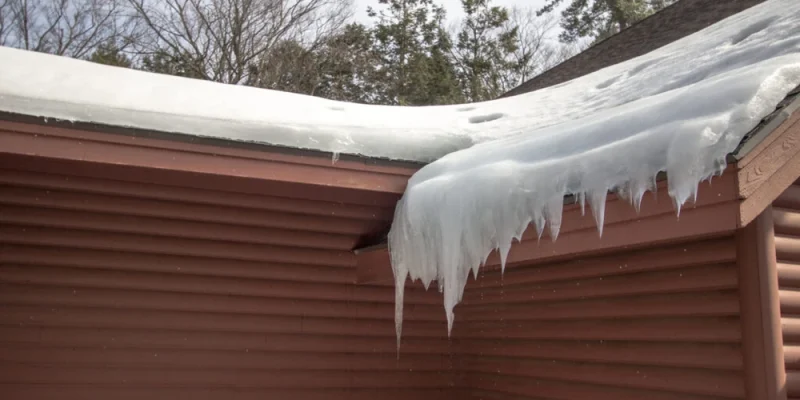
Cold weather rarely creates brand new roof problems. It exploits the ones already there. Water slips into a small gap, freezes overnight, expands by roughly nine percent, and pries that gap a little wider. Repeat that cycle a few dozen times between November and March, and a flaw you could have fixed with a tube of sealant becomes a brown ring on the bedroom ceiling.
The Ohio Valley and central Indiana see this more than places with steady, deep cold. Temperatures bounce above and below freezing for weeks at a time, snow melts and refreezes within the same day, and strong winds often arrive when the ground is already soaked. That pattern makes autumn the most useful window for a roof check. Materials are still flexible, daylight is decent, and nobody has to work on ice.
Homeowners in Louisville and Indianapolis who would rather have a trained eye on the roof than a ladder in the driveway can book a free inspection with Citadel Roofing & Construction. The crew handles everything from a single cracked vent collar to full tear-offs, and it keeps teams ready for storm calls when a fallen limb or wind damage can’t wait until morning. Complete replacements come with a five-year workmanship warranty and other work with a two-year warranty, and the company is open about not pushing insurance claims that don’t hold up. A visit before the first hard freeze costs far less than a January emergency.
1. Shingles That Never Fully Sealed
Asphalt shingles depend on a strip of adhesive that bonds each tab to the one below it. That strip needs sustained warmth and direct sun to activate. Roofs installed late in the season, or sections shaded by trees and neighboring homes, sometimes never bond properly.
An unsealed tab acts like a small sail. Winter wind lifts it, cracks it at the nail line, and eventually tears it off. From the ground, binoculars help: look for tabs sitting at slightly different angles or casting thin shadow lines. Loose tabs can usually be hand-sealed with dabs of roofing cement, a step many manufacturers specify for cold-weather installations anyway.
2. Flashing That Has Pulled Away
Metal flashing seals the joints where the roof meets chimneys, sidewalls, and skylights. Metal, brick, and wood all expand and contract at different rates, so these joints move constantly through the seasons.
Flashing that relies only on caulk tends to fail first. On a properly built chimney, the counterflashing is cut into a mortar joint rather than glued to the face of the brick. Warning signs include rust streaks, gaps you can see daylight through from the attic, and damp wood on the attic side of the chimney.
3. Cracked Pipe Boots
Plumbing vents poke through most roofs, and each one is wrapped in a rubber collar. Sunlight breaks that rubber down, and it often cracks well before the surrounding shingles are anywhere near retirement.
In winter, snow melts faster around the warm vent pipe, sending a steady trickle of water toward any split in the collar. This is one of the most common leak sources roofers find, and one of the cheapest to fix. A replacement boot or a retrofit sleeve typically takes less than an hour.
4. Gutters Primed for Ice Dams
Clogged gutters hold water at the roof edge, where it freezes into a ridge of ice. Snow melting higher up then runs down, hits that ridge, and backs up underneath the shingles.
Building codes in colder regions call for an ice barrier membrane running from the eave to at least 24 inches inside the exterior wall line. Many older roofs were built without one. Clear gutters after the last leaves drop, confirm downspouts discharge away from the foundation, and check that the hangers are tight, because a gutter full of ice is surprisingly heavy.
5. An Attic Running Too Warm
Ice dams usually start inside the house. Heat leaks through recessed lights, unsealed attic hatches, and bathroom fans vented into the attic instead of outdoors. That warmth heats the roof deck and melts snow from below.
A healthy attic stays close to outdoor temperature, with intake vents at the soffits and exhaust at the ridge. A growing issue is energy upgrades done without care: blown-in insulation piled against the eaves can smother soffit vents unless baffles keep a channel open. Frost on nail tips on cold mornings, damp insulation, and stripes of bare shingles in fresh snow all point to warm air escaping.
6. Storm Damage Nobody Noticed
Spring and summer hail often leaves bruises rather than holes. A bruise is a spot where the shingle’s fiberglass mat has fractured under the granules. It may not leak right away, but freeze-thaw cycles widen those fractures over the winter.
Look for heavy granule buildup in gutters or at downspout outlets, dents on metal vents and gutters, and dark circular marks on shingles. Most homeowner policies set a deadline for reporting storm damage, often measured from the storm date rather than the day you notice it, so it pays to read your policy and keep dated photos.
7. Overhanging Limbs and Soft Decking
Ice can multiply the weight of a branch many times over, and loaded limbs snap without much warning. Trimming anything that hangs over the roof, and keeping branches several feet clear of the shingles, removes a major source of winter emergencies and cuts down on the debris that clogs gutters.
The deck beneath the shingles deserves attention too. Spongy spots underfoot, visible dips from the street, or a wavy ridgeline usually mean the sheathing has absorbed water over time. Weakened decking then has to carry snow load, and replacing it is much easier in mild weather than in the middle of January.
Sorting Small Fixes From Bigger Decisions
Several items above are minor jobs: sealing a few tabs, swapping a pipe boot, cleaning gutters, adding attic baffles. Others point to a larger conversation. Widespread granule loss, repeated flashing failures, soft decking in more than one area, or a roof past its twentieth year often mean repairs are simply buying time.
Knowing which category your roof falls into before winter gives you choices. You can schedule work on your own timeline, compare material options without pressure, and head into the cold months knowing the weak spots have already been found.








Comments