
 By
By 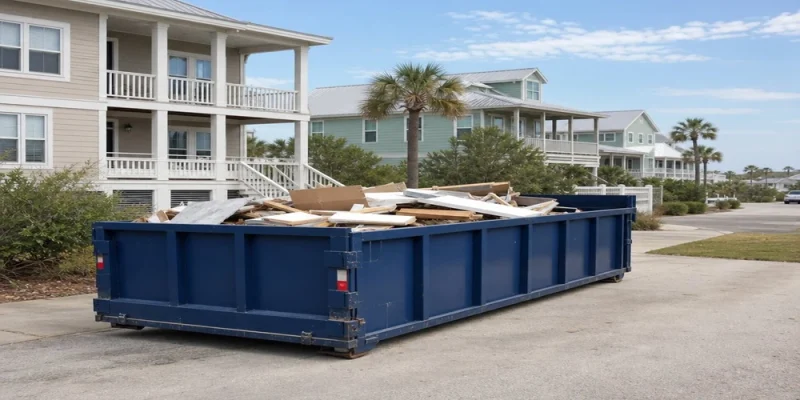
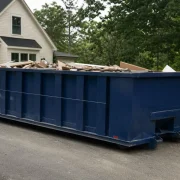
If a cleanup job is getting out of hand and the trash pile isn’t shrinking as fast as it should, renting a dumpster might be a good option. Maybe you are doing a home improvement project, cleaning out an inherited house, or dealing with construction debris. No matter what kind of cleanup you’re planning, a dumpster rental might make things a lot easier. However, you don’t just want any dumpster, you want one that’s right for the job.
Select the Right Size for Your Debris
Depending on the amount of junk you’re throwing away, some containers won’t be large enough. Maybe you just need a small dumpster for a garage cleanout, but you might need a much bigger container if you’re tearing off a roof or gutting a house. Think about what you’re going to throw out before you call for dumpster rental in Wilmington, NC. Some common jobs where a dumpster is needed include the following:
- Cleanout of home or garage
- Renovation or demolition debris
- Roofing debris
- Landscaping debris
- Estate cleanout
- Construction debris
Be generous with your estimate. Renting a container that is slightly larger than your initial estimate may be more economical than arranging a second delivery after an undersized dumpster fills up. That extra trip will cost you more money than if you had simply rented a larger container from the start.
Know What Can Be Thrown Away
Some types of trash shouldn’t go in a standard rental dumpster. Most companies (including the team at Priority Waste Inc. Southport Division) will accept general household trash, wood, drywall, flooring, furniture, etc., but certain items may not be allowed. Things like paint, chemicals, batteries, gas, tires, electronics, and some appliances might require special handling (check this site). Items such as concrete, dirt, rock, and asphalt may also be restricted because they weigh so much. Get a list of accepted and rejected items before you start filling up the container, or you could end up paying extra or having to haul off some of the trash yourself.
Check the Fine Print
The rental fee you were quoted might cover the dumpster, delivery, pickup, a certain number of days to fill it, and a certain number of pounds of trash. You could incur additional charges if you use it longer than you’re allowed to or fill it up too heavy. Ask these questions before you commit:
- What is the rental period?
- What is the weight limit?
- Is there an overage charge?
- What is included in the base price?
- What happens if I need to keep it longer?
- Are there extra fees for certain items?
Getting all the information before you rent a dumpster will make it easier to set your budget. If you’re looking at the cheapest price available, find out if delivery and pickup are included or if those will be extra charges.
Pick a Good Location
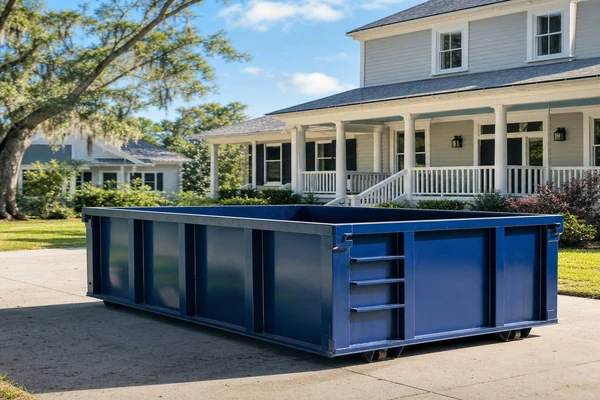
You need a good location for your dumpster. It needs to be on level ground and easily accessible for the delivery truck. A driveway (https://en.wikipedia.org/wiki/Driveway) is usually a good choice, though you might put some boards underneath to protect it from damage. Don’t place a dumpster on soft soil, near steep hills, under tree limbs, or under power lines. Also, avoid placing it where it will block traffic. Before you schedule the delivery, make sure you have enough space for both the dumpster and the delivery truck. If the dumpster needs to go on the street, you may need to get a permit.
Fill It Up Wisely
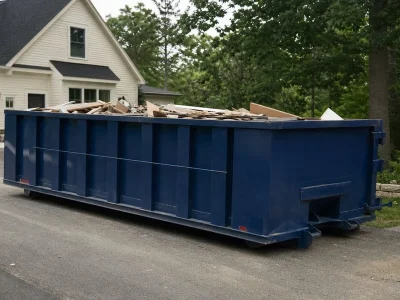
Don’t pile everything in the middle or load one side too heavy. Try to break up big items if you can, and lay flat pieces on the bottom or against the sides to save space. Don’t let the trash pile up higher than the top of the dumpster. An overloaded dumpster can’t be hauled away until the excess trash is removed. Keep the area around the dumpster free of obstructions to make it easier for the driver to park and hook up the truck.
Heavy rains in Wilmington may saturate porous waste and increase the weight of the dumpster. On rainy days, find out if your rental can be covered with a tarp that’s tied down. Clear storm drains around the site and inspect the dumpster following heavy precipitation.
Save Yourself Some Time and Effort
A properly planned dumpster rental keeps your trash neat and tidy, saves you from having to make multiple trips to the dump, and frees up space around your project. Know how much trash you expect to produce, ask the right questions about your rental agreement, make sure you have a suitable location for the dumpster, and stick to the rules about what you can throw away. Take care of these details now so you can spend your time working on the project itself instead of cleaning it up.


Comments