
 By
By 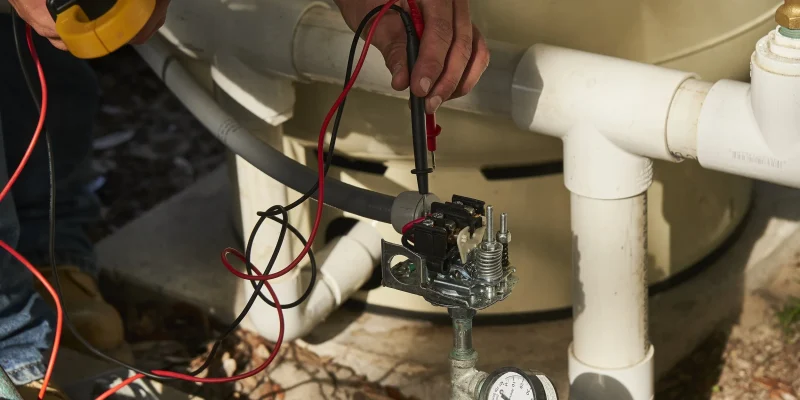
A well pump is the heart of a private water system. When it works properly, water flows quietly and consistently. When problems start, the signs are often subtle at first. Many homeowners miss these early clues and only react once the pump stops working altogether.
Understanding the common signs your well pump needsrepairs can help you act early, avoid sudden water loss, and prevent costly replacements. This guide draws on real-world experience and practical observation to help you recognise trouble before it turns into failure.
Why Early Warning Signs Matter
A well pump rarely fails without warning. In most cases, small issues build over time. Pressure changes. Sounds appear. Water quality shifts.
Ignoring these signals can lead to:
- Complete water loss
- Damage to pipes and fixtures
- Higher energy bills
- Emergency repair costs
Spotting problems early protects both your water supply and your budget.
Warning Sign 1: Water Pressure Drops or Fluctuates
Steady pressure is a sign of a healthy pump. When pressure becomes unpredictable, something is wrong.
What You May Notice
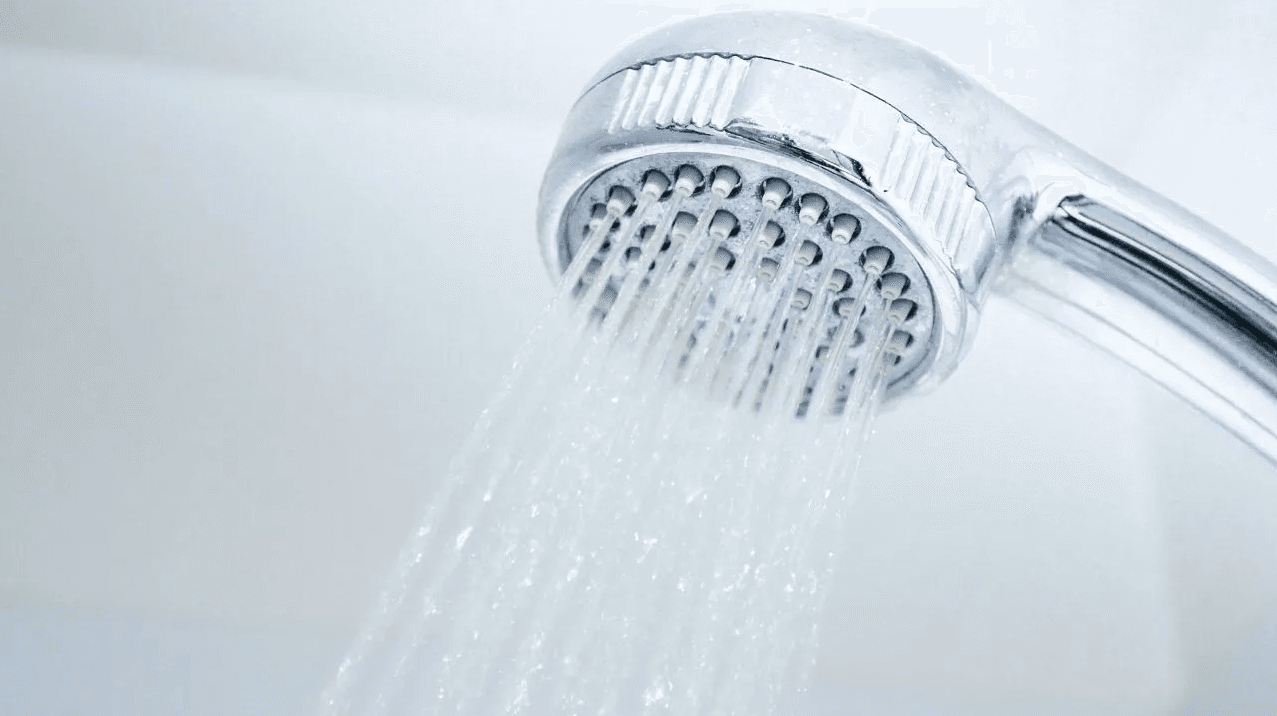
- Weak flow from taps
- Pressure that rises and falls suddenly
- Showers that lose strength mid-use
Why This Happens
Pressure problems often appear when the pump struggles to maintain flow. This may be due to wear, internal damage, or an inability to meet demand.
Pressure changes are one of the common signs your well pump needs repairs, especially when they happen across multiple fixtures.
Why You Should Act Early
Ongoing pressure issues force the pump to work harder. Over time, this extra strain shortens its lifespan and increases energy use.
Warning Sign 2: Air Spitting from Faucets
Water should flow smoothly. Air bursts are never normal in a well system.
What You May Notice
- Sputtering taps
- Air bubbles in water
- Bursts of air followed by water
What It Indicates
Air in the system often points to leaks or internal pump problems. It may also suggest the pump is pulling water unevenly.
Risks of Ignoring It
Air pockets can:
- Damage plumbing
- Reduce pump efficiency
- Cause sudden pressure loss
Left unaddressed, this issue can escalate into a full pump failure.
Warning Sign 3: Unusual Noises from the Pump or Pipes
Well pumps are not silent, but they should never be loud or alarming.
Sounds That Signal Trouble
- Grinding
- Clicking
- Rattling
- Loud humming
Why Noise Matters
Unusual sounds often mean parts are wearing down or no longer aligned. The pump may be struggling internally.
Noise is one of the common signs your well pump needs repairs that homeowners often dismiss. Yet it is one of the clearest indicators of mechanical stress.
What Happens If You Ignore It
Mechanical wear spreads. Small faults become major damage. Repairs become replacements.
Warning Sign 4: Pump Turns On and Off Too Often
A pump should cycle in steady intervals. Rapid cycling is a red flag.
What You May Notice
- Pump switching on for short bursts
- Frequent starts and stops
- Water pressure that never settles
Why Short Cycling Occurs
This often happens when the system cannot hold pressure properly. The pump keeps restarting to compensate.
Long-Term Impact
Frequent cycling causes:
- Faster wear
- Higher electricity use
- Shortened pump life
This pattern is among the common signs your well pump needs repairs, particularly in older systems.
Warning Sign 5: Higher Electricity Bills with No Clear Cause
Well pumps use power, but usage should be consistent.
What to Watch For
- Sudden spikes in energy costs
- No change in household water use
- No new appliances added
Why This Happens
A struggling pump runs longer and harder to deliver the same amount of water. That extra effort increases power consumption.
Why This Sign Is Often Missed
Many homeowners do not connect energy costs to water systems. Yet rising bills can be an early and measurable clue.
Warning Sign 6: Dirty or Discoloured Water
Water quality reflects system health.
What You May Notice
- Cloudy water
- Brown or rusty colour
- Grit or sediment
What This Suggests
Poor water quality may indicate:
- Internal wear
- System imbalance
- Pump components breaking down
While water issues can have several causes, they remain one of the common signs your well pump needs repairs when they appear suddenly.
Why You Should Act Quickly
Sediment can damage:
- Pipes
- Fixtures
- Appliances
It can also signal deeper mechanical problems within the pump.
Warning Sign 7: Complete Loss of Water
This is the final warning. By this point, failure is often close or already happening.
What Happens
- No water from taps
- Pump may still run or stay silent
- Pressure drops to zero
Why It Occurs
Total water loss usually follows ignored warning signs. The pump may be worn out, blocked, or unable to draw water effectively.
The Cost of Waiting
Emergency repairs cost more. Water access becomes urgent. Planning options disappear.
Other Subtle Clues Homeowners Overlook
Not all warning signs are dramatic. Some are easy to miss.
Watch for:
- Taps taking longer to deliver water
- Pressure drops during peak use
- Changes after heavy rainfall or dry periods
These small shifts often appear before major symptoms develop.
How Experience Helps Spot Problems Early
Homeowners who understand their system notice changes faster. Experience builds awareness.
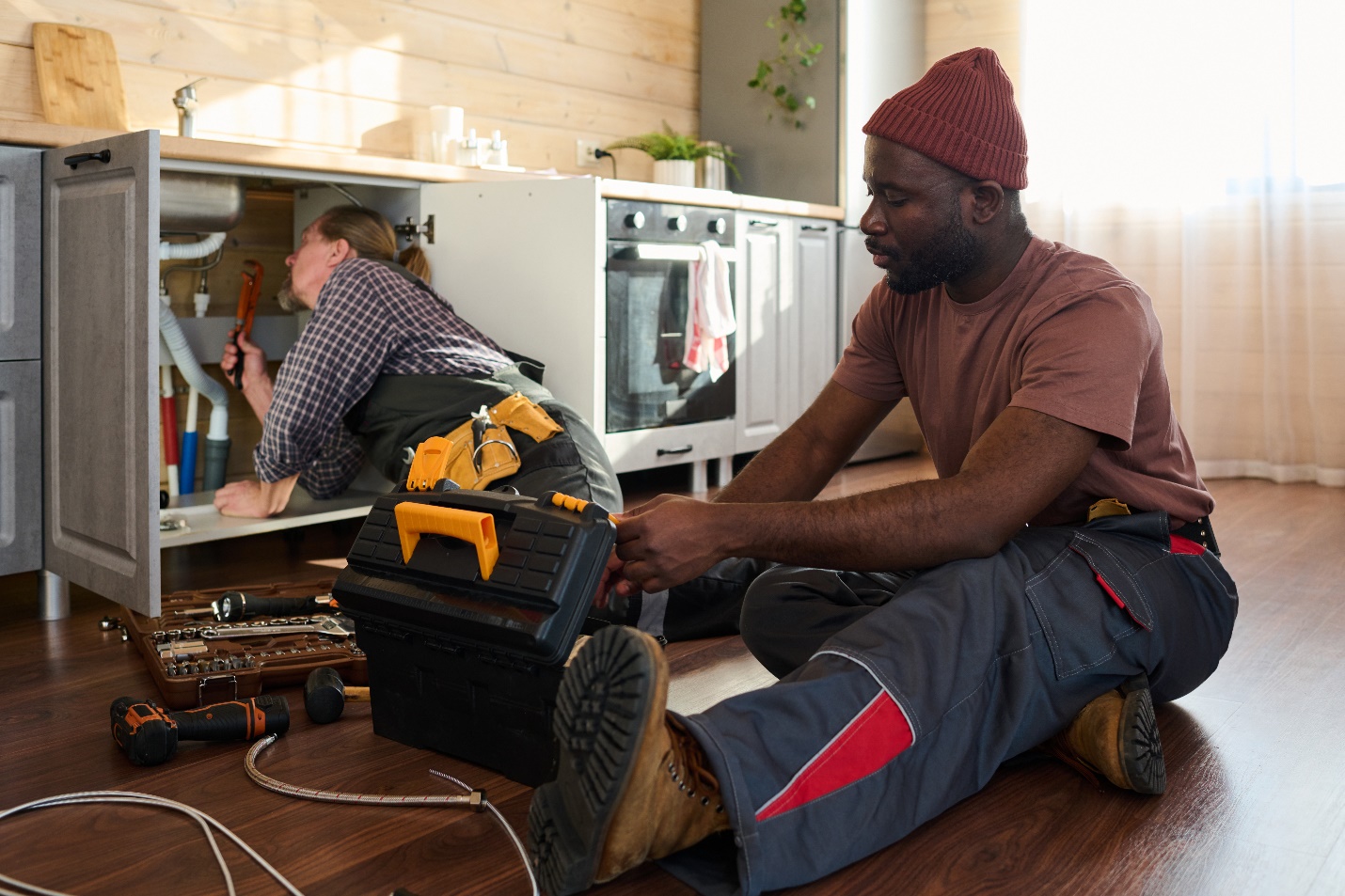
Professionals who work with well systems every day rely on pattern recognition. The same approach helps homeowners avoid surprises.
By learning the common signs your well pump needs repairs, you build confidence and control over your water system.
When to Call for Professional Help
Some signs require immediate attention.
Seek help if you notice:
- Repeated pressure loss
- Loud or persistent noises
- Rapid cycling
- Sudden water quality changes
Early assessment can:
- Confirm the issue
- Prevent further damage
- Extend pump life
Why Proactive Repairs Save Money
Waiting rarely saves money. It shifts costs from manageable repairs to full replacements.
Early repairs can:
- Reduce downtime
- Protect plumbing
- Lower energy use
- Extend system life
A well pump is an investment. Maintaining it protects that investment.
How to Reduce the Risk of Pump Failure
Prevention starts with awareness.
Practical Steps
- Pay attention to pressure changes
- Listen for unusual sounds
- Monitor water clarity
- Review energy bills regularly
Simple observation is often enough to catch early trouble.
Final Thoughts: Act Before the Pump Acts Up
A failing well pump rarely stops without warning. The signs appear early. They repeat. They grow.
Recognising the common signs your well pump needs repairs allows you to respond before water access is disrupted. It also protects your home, your plumbing, and your peace of mind.
When in doubt, act early. Repairs handled in time are almost always simpler, cheaper, and less stressful than emergency replacements.
Staying informed is the most reliable way to keep your water flowing safely and consistently.





Comments