
 By
By 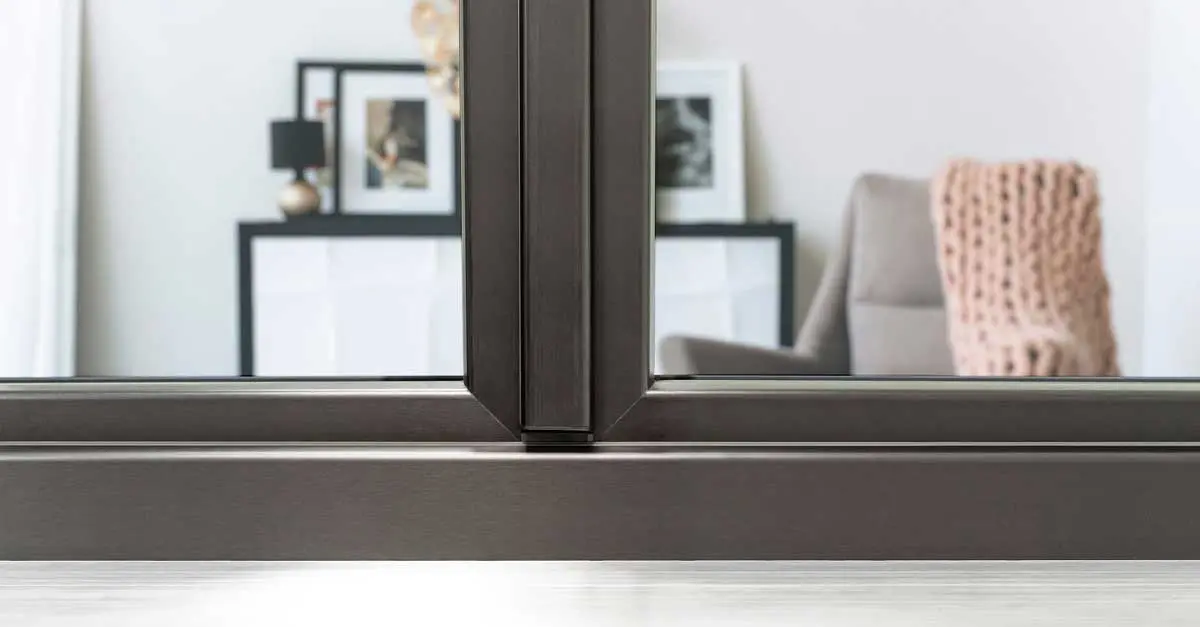
Exterior surfaces are the front line of a building’s performance, and windows often endure the toughest conditions while shaping the project’s visual identity. This is where innovative acrylic finishing steps in, transforming window profiles from merely functional components into long-lived design elements. By fusing an acrylic layer into PVC rather than applying paints or films, manufacturers achieve a colored surface that resists fading, scratching, and weathering with exceptional consistency. GEALAN-acrylcolor Timeless Color brings this approach to a refined, architectural standard—offering a smooth, homogeneous appearance that aligns with emerging design directions. For specifiers and homeowners seeking a blend of resilience and aesthetics, GEALAN Window Systems demonstrates how material science can elevate everyday building elements.
The fusion of acrylic and PVC for long-lasting color protection
The essence of durable acrylic window finishes lies in combining the strengths of two polymers in a single, inseparable layer. In this approach, the acrylic top layer—often PMMA—is co-extruded together with the PVC profile, creating a molecular bond rather than a surface layer that can peel or crack. The result is a colored exterior that is part of the profile itself, delivering depth, uniformity, and robust color stability over years of exposure. As the acrylic and PVC merge under heat and pressure, the surface acquires a dense, non-porous texture that resists dirt adhesion and facilitates easy cleaning. This integrated structure is what makes GEALAN-acrylcolor Timeless Color stand out: the shade isn’t painted on; it’s engineered into the profile’s outer skin.
How co-extrusion creates a permanent color layer
- The PVC core and acrylic compound are fed simultaneously into a co-extrusion die.
- Under controlled heat, the acrylic layer fuses with the PVC substrate, forming a continuous exterior shell.
- Calibrators shape and cool the profile, locking the bond while preserving surface smoothness.
- Inline measurement verifies layer thickness, ensuring the color coat is both even and substantial.
Because the acrylic layer becomes a functional part of the profile, it absorbs and diffuses sunlight rather than exposing a thin, vulnerable coating. The visual payoff is a consistent, elegant surface without the slight ripples, seams, or tension points sometimes seen in foiled finishes. Equally important, the tight microstructure limits micro-scratches and keeps the surface matte or glossy according to the specified design intent. The look is decidedly architectural: clean edges, seamless color transitions, and a tactile quality that signals durability. Projects that prioritize longevity benefit from this fusion because the design intent remains intact far beyond the typical lifecycle of painted or laminated alternatives.
Weather and scratch resistance enhancing exterior durability
Outdoor conditions test everything about a window finish: UV intensity, temperature swings, wind-driven rain, and airborne particulates all contribute to wear. A co-extruded acrylic exterior answers these stressors with a hard, color-stable shell that resists chalking and fading; the pigments and acrylic matrix are formulated to hold their hue under prolonged sunlight. The high surface hardness deflects many everyday abrasions—from cleaning tools to environmental grit—while the tight polymer structure minimizes the visibility of minor marks. Dirt has fewer cavities to cling to, making routine maintenance both simpler and less frequent. As seasons change, the surface retains its uniform look, reinforcing an impression of quality that lasts.
Test metrics that matter
- UV stability and colorfastness: assessed through accelerated weathering (e.g., Xenon arc), with color shift monitored via ΔE values.
- Surface hardness and scratch resistance: measured by standardized scratch tests and microhardness scales relevant to exterior components.
- Gloss retention or matte integrity: tracked after cycles of UV, humidity, and temperature stress to confirm visual consistency.
- Thermal shock and freeze–thaw performance: ensures the acrylic-PVC bond remains intact despite expansion and contraction.
Under real-world conditions—coastal salt spray, urban particulates, or high-altitude sun—the robust acrylic exterior continues to protect the underlying structure. Because the color resides in a fused layer, even small scuffs do not reveal a dissimilar substrate below, preserving visual coherence. This is where GEALAN-acrylcolor Timeless Color demonstrates particular value: it controls reflectance, hue accuracy, and texture in tandem, delivering an exterior that remains steadfast across climate zones. Maintenance routines stay practical—soft cloths, mild detergents—without the worry of stripping or dulling a thin topcoat. For applications where longevity is non-negotiable, the weather and scratch resilience of acrylic co-extrusion provides reassurance without sacrificing design ambition.
Architectural impact of seamless matte and glossy finishes
The character of a facade often hinges on surface nuance, and in window design, finish choice plays a decisive role. Matte surfaces can mute reflections, unify shadows, and lend a confident, contemporary appearance aligned with mineral-based claddings or dark metal panels. Glossy finishes, by contrast, can introduce crisp highlights and a refined sheen that complements polished stone or high-gloss composite elements. With a co-extruded acrylic layer, both finish types achieve a consistent, seamless presentation, avoiding the joint lines or foil edges that may interrupt the visual field. Architects gain the *quiet precision* needed for minimalist compositions as well as the brightness prized in expressive, high-contrast facades.
Design use-cases from urban to coastal
- Urban infill and mixed-use projects: matte finishes dampen glare against glass curtain walls, enhancing the reading of massing and negative space.
- Suburban residences: subtle satin-matte frames pair with textured renders or timber accents, keeping proportions clear and timeless.
- Coastal architecture: controlled reflectance reduces visual noise under intense sunlight, while the acrylic layer handles corrosive atmospheres.
- Cultural or boutique retail: selective gloss can highlight entrances or feature windows, drawing attention without overstatement.
Because the acrylic color is homogeneous across the surface, corners and welds feel continuous, which reinforces geometric clarity at every scale. This continuity reduces visual clutter and helps maintain the designer’s intended hierarchy between fenestration, cladding, and structural elements. In practice, the uniform surface also improves photographic legibility, an often-overlooked advantage for marketing, leasing, and planning submissions. For partners collaborating with GEALAN Window Systems, the finish palette and texture control are tools to fine-tune contrast, rhythm, and visual weight across a project. The end effect is not just durability—it’s a cohesive, deliberate look that translates from drawings to built reality with fidelity.
Production innovations defining the GEALAN-acrylcolor process
Behind the smooth exterior is a rigorously engineered production line that prioritizes consistency, traceability, and resource efficiency. Co-extrusion requires precise control of temperature gradients, melt flow, and line speed to ensure that acrylic and PVC fuse uniformly without internal stress. Sophisticated tooling and cooling calibrators maintain dimensional accuracy, while the surface is tuned to deliver a stable matte or glossy effect straight off the line—no secondary coatings needed. Inline monitoring, from laser-based thickness control to colorimetry, helps operators catch variances in real time rather than post-production. This level of process discipline is essential for delivering repeatable results at scale.
Quality controls that guarantee repeatability
- Laser or ultrasonic thickness measurement confirms the acrylic layer’s depth across complex geometries.
- Machine-vision systems survey surface homogeneity, detecting pinholes or texture anomalies early.
- Spectrophotometric checks validate color coordinates and tolerance bands throughout runs.
- Batch traceability links raw materials, line parameters, and output profiles for full auditability.
A hallmark of the GEALAN-acrylcolor methodology is its resource-smart approach—regrind from start-up sequences can be captured and looped into designated core layers, reducing waste while preserving exterior quality. Process automation ties into Industry 4.0 frameworks, allowing data-driven adjustments and predictive maintenance that minimize downtime. Operators can shift between colors or finishes with controlled repeatability, protecting the *Timeless Color* aesthetic by sustaining tight Batch-to-Batch consistency. For specifiers, this means that mock-up accuracy carries through to production windows, avoiding unpleasant surprises during installation. With GEALAN-acrylcolor Timeless Color, the production backbone supports the visual promise, and the visual promise is what continues to define the system’s architectural credibility.
How timeless color technology supports sustainable design aesthetics
Sustainability is as much about keeping what you build in service longer as it is about material sourcing. A fused acrylic exterior contributes to longevity by maintaining appearance without repainting, refinishing, or frequent replacements—incremental reductions that add up across a building’s lifecycle. The smooth, hard surface reduces cleaning intensity, saving water and mild detergents while protecting the finish’s integrity. Because the acrylic and PVC become a single, compatible structure, end-of-life strategies can incorporate reprocessing pathways aligned with established PVC recycling. Durable color is not merely an aesthetic choice; it’s a design decision that curbs resource consumption over decades.
Practical guidelines for specifiers
- Prioritize finishes with proven accelerated weathering data to ensure low ΔE over time.
- Match matte or gloss selection to facade materials to balance reflectance and thermal loads.
- Consider darker tones alongside performance glazing to maintain solar control strategies without compromising the aesthetic.
- Document cleaning protocols using mild agents to extend surface quality and reduce operational impacts.
By stabilizing hue and texture, timeless color strengthens the identity of a scheme and avoids the mismatches that can occur when components age unevenly. Where building owners seek low-operational-intensity maintenance, acrylic’s dense surface responds well to gentle, periodic care rather than aggressive treatments. The aesthetic payoff is a facade that keeps its promise: consistent, coherent, and calm even years after handover. For projects comparing lifecycle profiles, GEALAN-acrylcolor Timeless Color offers an integrated path to durability and visual integrity that aligns with circular design thinking. In this space, GEALAN Window Systems demonstrates how manufacturing discipline and surface science translate directly into sustainable architectural value—helping designers deliver resilient beauty without compromise.



Comments