
 By
By 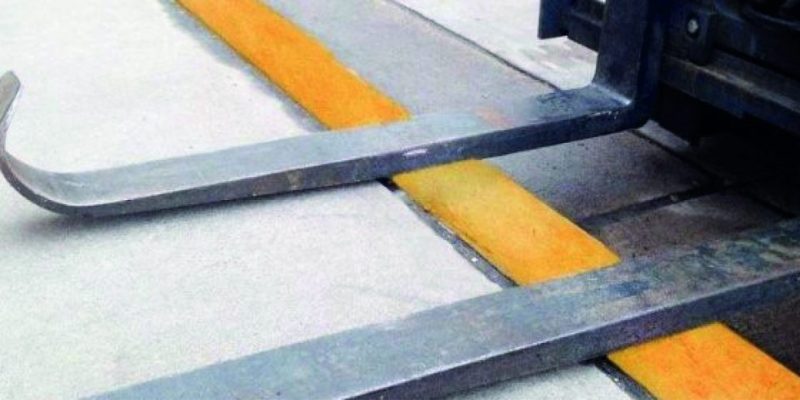
The purpose of fork extensions is to increase reach and load-carrying performance. When in decent shape, they provide safer and more efficient handling of large or unwieldy cargo. That means they are really dangerous when they are not.
When forklift extensions are damaged or show signs of wear, they can fail unexpectedly. This is exactly why early warning signs must be recognised as part of workplace safety & preventative maintenance.
These are five unmistakeable indicators that your extensions may be compromised and that they should be taken out of service.
Cracking or Roughness Near the Heel
The most inner part is the heel of forklift carriage. It takes the most abuse when lifting.
This is a huge red flag and cracks in this area are a big one.
Look for:
- Hairline fractures near welds
- Cracking around reinforcement points
- Signs of metal fatigue
Small cracks, which develop may propagate quickly when load is applied. This makes the extension unusable if the heel is damaged.
Bent or Drooping Fork Tips
Fork extensions should be straight through their entire length. A bend alters the distribution of weight.
A bent tip can:
- Reduce load stability
- Cause uneven loading between forks
- Raise the possibility of slipping or tipping
If the tip droops down or twists slightly, the extension has been over-bent or struck. Using it still causes it to suddenly crash.
Loose or Worn Locking Pins
They incorporate locking pins to keep extensions in place on forklift tines during operation. The danger is real and near when they do not engage properly.
Warning signs include:
- Pins that don’t seat fully
- Excessive movement once locked
- Visible wear or deformation
Do not operate with patchworks − no bolts, no ties. If one pin is loose, the extension can then progress under load − a situation that may never occur if the car is merely pushed forward but will occur if the brakes are applied or the car is tilted to the side.
Uneven Wear or Internal Rust
Not all wear and tear is visible on the outside. Over time, this type of corrosion also weakens the structure or reduces the contact surface.
Check for:
- Rust inside the sleeve
- Worn and uneven contact marks
- Hard time putting extensions over forks
Moisture and dirt or debris that collect inside the extensions will cause them to corrode faster. It lessens overall load capacity and will sacrifice long-term strength.
Extensions Sitting Securely on Forks is Not a Thing Anymore
Extensions must not be fitted loosely over forklift tines. If they wobble, if they rattle, if they don’t line up properly, then that’s a problem.
Poor fit can result from:
- Deformed internal channels
- Excessive wear
- Incorrect sizing for the forklift
A sloppy fit increases movement under load, adding additional stress to the extension and the forklift forks.
Why These Signs are Important for the Workplace?
Fork extensions operate under loading and repeated movements. Small defects rarely stay small.
Failing to heed warning signs can result in:
- Dropped loads
- Forklift instability
- Serious injuries or fatalities
- Equipment damage and downtime
It’s even more important when using extensions together with other tools for lifting, like forklift jib attachments, where load dynamics are inherently more complicated.
Maintenance and Inspection Best Practice
The forklift jib attachments must be used for the following reasons and tips to prolong its lifespan while keeping the operation safer.
- Inspect them before each shift
- Keep their area dry and elevated from the ground
- Never exceed rated load capacities
- Instructed train operators to detect early damage
Regular checks cost much less than doing repairs, finding injuries, or looking into investigations.
Final Thoughts
Forklift extensions have a tough job to do. Over time, wear is inevitable. The important thing is how early the issues get caught.
Cracks in the heel, bent tips, loose pins, and poor fit is not a cosmetic issue. They are warnings. Treat them seriously.
In order for a team to have a strong safety culture, it begins with the details. Early detection of hijacked extensions helps in keeping your workplace safer and the system running smoothly.









Comments