
 By
By 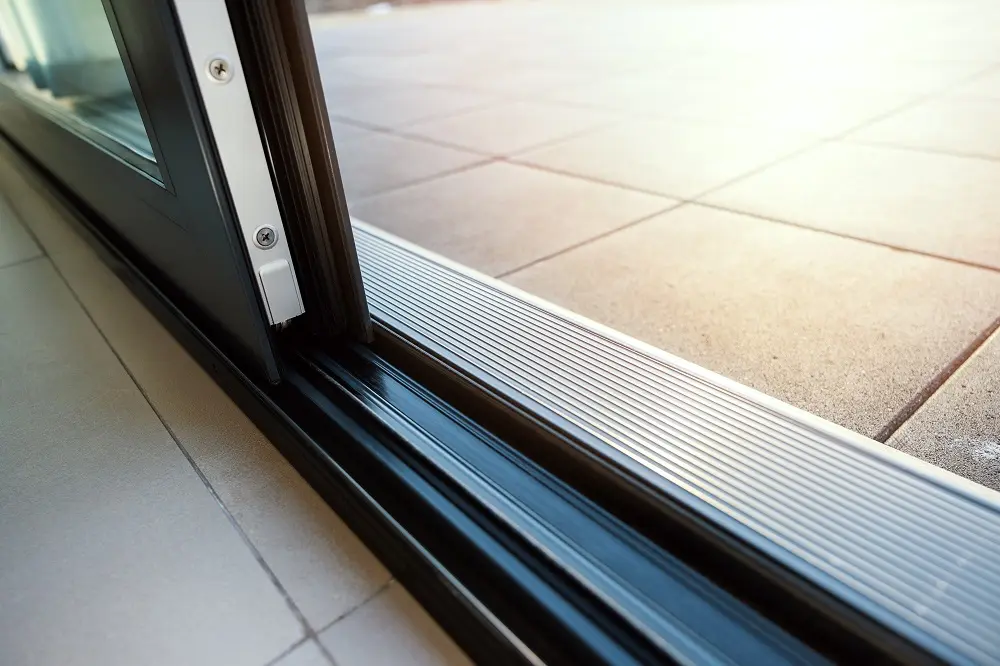
Choosing the right window material shapes how your home performs, feels, and ages. Aluminum and fiberglass offer distinct advantages, from structural finesse to energy efficiency, making the decision more nuanced than a quick price check. This guide explains what each material does best, where they differ, and the tradeoffs that actually matter in daily use. You’ll learn how strength, insulation, aesthetics, and maintenance play out over time, and where costs diverge in real projects. When you evaluate models, remember to scan spec sheets and the “View Details” notes that explain framing systems, coatings, and thermal options that aren’t always obvious at first glance.
Structural Strength and Design Flexibility of Aluminum Frames
Aluminum has long been favored for its superior strength-to-weight ratio, which enables slim profiles and large expanses of glass without bulky reinforcement. The material’s rigidity makes it ideal for narrow sightlines, sharp corners, and complex configurations like multi-panel sliders or wide-span storefront-inspired glazing in residential applications. In high-wind or seismic zones, reinforced aluminum frames resist racking and deflection, maintaining consistent operation over time. Architects often choose aluminum when precision, minimalism, and structural confidence must coexist, particularly for corner windows and wall-to-wall glazing. With modern thermal breaks and high-performance finishes, aluminum frames can be engineered to balance structural confidence with improved energy performance.
Engineering properties and frame profiles
The design freedom of aluminum shows most clearly in the way it handles long spans and heavy glass packages, including triple pane and laminated units. Many manufacturers offer multiple frame depths and mullion options, allowing you to select a profile that meets both engineering needs and interior aesthetic goals. Powder-coat finishes and anodized options extend durability while stabilizing color in UV-intense climates, so sightlines remain crisp for years. Meanwhile, precise extrusion tolerances give installers square, true frames that speed alignment and reduce callbacks. If your project demands the thinnest frames possible with robust performance, aluminum frequently sets the benchmark for structural reliability and sleek, modern geometry.
How Fiberglass Windows Improve Thermal Resistance
Fiberglass delivers standout thermal performance due to its low conductivity and stable structure. Pultruded fiberglass frames have internal cavities that can be insulated, significantly reducing heat transfer compared to standard metal frames. Just as importantly, fiberglass expands and contracts at a rate closer to glass, which can reduce stress on seals and help maintain airtightness as temperatures swing. The material’s inherent rigidity supports heavier glazing, so upgrades to double or triple-pane units don’t compromise frame stability. For homeowners pursuing tight energy targets, fiberglass frames consistently produce lower U-factors and more comfortable interior surface temperatures in winter and summer.
Why material science matters for efficiency
Because fiberglass is a composite, it combines strength with thermal moderation, curbing the cold-bridge effect common in conductive materials. This makes it easier to achieve energy code requirements and rebates tied to U-factor and solar heat gain coefficients. The result is a window that helps HVAC systems work less, stabilizes room temperatures near glass, and can increase perceived comfort across seasons. In head-to-head comparisons, many “Aluminum Vs Fiberglass Windows” scenarios show fiberglass edging out aluminum in raw insulating value, especially in colder or mixed climates. For retrofit and new builds targeting higher performance, fiberglass frames offer a clear path to measurable efficiency gains.
Aesthetic Differences That Influence Modern Architecture
Both materials can read as modern, but they do so differently. Aluminum frames emphasize razor-thin sightlines, crisp corners, and a continuous metallic character that pairs well with concrete, steel, and glass. The finish options—anodized, powder-coated matte, or satin—enable nuanced tonal control for facades and interiors. Fiberglass, on the other hand, excels at emulating painted wood, with smooth or subtly textured finishes that complement transitional or contemporary homes seeking warmth without heavy maintenance. While both can be minimalist, aluminum often feels more “technical,” whereas fiberglass can present as softer and more integrated with residential palettes.
Profiles, finishes, and sightlines
If your project leans toward gallery-like interiors, aluminum’s clean, uniform lines and ultra-narrow profiles amplify visual continuity. Designers often use aluminum for multi-panel sliders and fixed frames that heighten a panoramic effect. Fiberglass allows bolder color shifts and repaintability, which can be helpful for long-term design flexibility or HOA-driven palette changes. Its corner seams and mitered joints can be engineered to read subtly, supporting a calm, tailored look without feeling cold. The decision ultimately turns on whether your aesthetic priorities favor expressive minimalism through metal, or a refined, paint-friendly surface that blends with cabinetry, trim, and architectural millwork.
Cost and Maintenance Comparison Between Both Materials
Initial cost varies by frame system, glazing, and finish class, but fiberglass frequently prices slightly higher than standard aluminum and can be comparable to thermally broken aluminum packages. Over the life of the window, however, fiberglass often narrows or reverses the cost gap with reduced energy loss and fewer expansion-related seal issues. Aluminum’s value lies in its structural efficiency; achieving similar strength in other materials can mean thicker frames or specialized reinforcement. Costs also hinge on window type—large sliders, corner units, or custom shapes may favor aluminum for install simplicity and structural predictability. Before finalizing a spec, review manufacturer “View Details” notes that clarify thermal breaks, finish warranties, and hardware class.
Service intervals and ownership experience
Maintenance profiles differ but are manageable with planning. Aluminum’s powder coats are durable; still, coastal or high-UV locations may see chalking over time, which periodic cleaning and occasional refinishing can address. Fiberglass holds paint exceptionally well and can be repainted for color updates, but exterior caulks and weatherstrips should be inspected and replaced at normal intervals. Hardware longevity is similar across both when manufacturers isolate dissimilar metals to prevent galvanic corrosion. In lifecycle terms, many owners find fiberglass reduces heating-cooling costs while aluminum saves on structure and enables designs that might otherwise require costlier engineering.
Environmental Impact and Energy Ratings in 2025 Homes
Sustainability assessments weigh both operational energy and embodied carbon. Aluminum boasts a high recycling rate, and many suppliers incorporate post-consumer content, but primary aluminum smelting is energy-intensive; specifying recycled content can meaningfully reduce environmental load. Fiberglass production involves resins and glass fibers with relatively moderate embodied energy, and its thermal efficiency supports lower operational emissions. In 2025 code contexts, hitting aggressive U-factors and SHGC targets is often more straightforward with fiberglass frames, especially as jurisdictions tighten standards and incentive programs expand. Still, thermally broken aluminum paired with advanced glazing can meet stringent requirements where the design demands ultra-slim frames.
Certifications, codes, and measurable outcomes
Look for ENERGY STAR 7.0-labeled units, National Fenestration Rating Council (NFRC) labels, and region-specific code compliance to validate performance. Lower U-factors and optimized SHGC improve comfort and reduce peak loads, supporting downsized HVAC strategies that further trim carbon. When comparing “Aluminum Vs Fiberglass Windows,” consider whole-building outcomes: solar orientation, overhangs, and ventilation strategies often magnify or mitigate material differences. Product EPDs and third-party verified LCAs help quantify embodied impacts, enabling data-driven selections. The most sustainable choice is the one that balances long-term performance with design intent and a documented materials story you can stand behind.
Durability Testing: Long-Term Weather and UV Resistance
Both materials undergo rigorous testing for weather, UV, and mechanical performance, but they age differently. Aluminum relies on finishes—AAMA 2604/2605-class powder coats or anodizing—to shield the substrate from corrosion and UV. In coastal environments, sealed joins and regular rinsing are crucial to resist salt exposure, and quality thermal breaks prevent condensation issues. Fiberglass excels at handling thermal cycling; its expansion rate aligns closely with glass, maintaining seal integrity through seasonal shifts. Under intense sun, fiberglass resists warping and retains paint, though color selection and paint chemistry still matter for longevity.
Standards, warranties, and real-world behavior
AAMA, ASTM, and local code tests simulate wind, water, and UV challenges to forecast service life. High-quality aluminum frames with robust finishes deliver decades of service, particularly when specified with proper joinery and sealants for the site. Fiberglass frames also demonstrate long-term stability, with many manufacturers offering lengthy finish and structural warranties. The day-to-day difference often shows up in how well corners stay tight, how smoothly sashes operate after years of cycles, and whether surfaces chalk or fade. Before purchase, compare warranty language and “View Details” pages that outline finish class, salt-spray ratings, and thermal-break construction.
Matching Window Materials to Climate and Home Style
Climate dictates priorities. In cold or mixed climates where minimizing heat loss is key, fiberglass frames make it easier to achieve low U-factors without sacrificing stiffness. Hot, sun-drenched regions benefit from fiberglass’s thermal stability and paint retention, while strategic glazing and shading do the heavy lifting. Coastal or high-wind sites often lean toward aluminum for its superior structural spans and secure anchoring, especially for large operables and multi-panel doors. For architecture, sharp-lined modern homes gravitate to aluminum’s ultra-slim profiles; contemporary and transitional spaces may favor fiberglass for its paintable, cohesive look with trim and cabinetry.
Practical selection tips by project type
Start with performance targets: specify U-factor and SHGC first, then match the frame material that meets them with your sightline goals. If you need corner windows, very wide sliders, or minimal mullions, aluminum likely keeps design intent intact with fewer compromises. Where thermal performance, comfort near glass, and stable interior temperatures rank highest, fiberglass provides a straightforward route to energy goals. For nuanced specs and installation details, consult product guides and the manufacturer’s “View Details” sections to validate reinforcement options, finish class, and compatible hardware. With that clarity, your choice aligns naturally with both the climate outside and the style story inside.







Comments