
 By
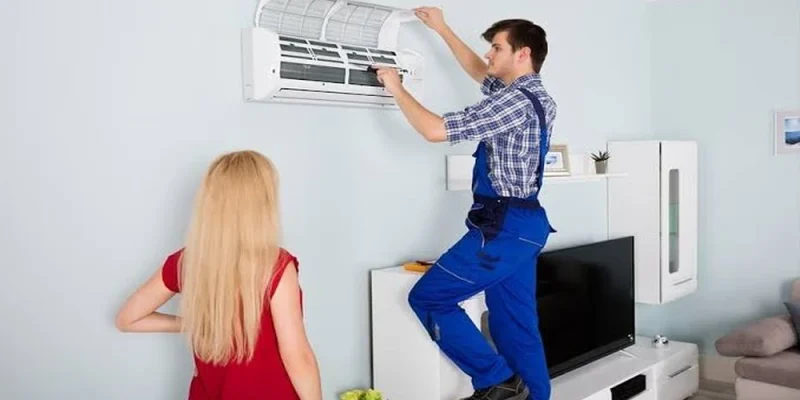
Every central air conditioner has two caretakers, whether the owner realizes it or not. One is the person who lives with it every day and notices when the air smells a little off or the filter slot is gray with dust. The other shows up once or twice a year with gauges, a meter and a coil cleaner. When either of them slacks off, the system pays for it, usually in the middle of August.
That split matters even more in western Palm Beach County, where cooling systems barely get a rest. Spring blends into summer, summer runs well into October, and even the mild months bring humid afternoons that send the compressor back to work. Equipment that runs this much wears differently from equipment in places with real winters.
When people book Greenacres maintenance services, they’re usually hiring a small local team like this veteran owned, family run contractor, which also takes emergency calls and will give a rough estimate from a photo of the unit. A good visit still leaves plenty for the homeowner to do. Knowing where your share ends and the technician’s begins is the best way to keep a system healthy between appointments.
The Owner’s Share Is Small but Constant
Most of the homeowner’s work takes minutes, not hours. What matters is doing it consistently. Minnesota’s Commerce Department publishes a home energy guide on air conditioner repair and maintenance that splits the jobs neatly. Owners handle filters, clearance around the outdoor unit and an occasional rinse of the outdoor coil. Everything involving refrigerant, wiring and the indoor coil is left to a trained technician. Even though the guide was written for a cold climate, the division works just as well here, only on a faster schedule.
In a Florida home, that schedule usually looks like this.
- Check the filter every month during the heavy cooling season and replace it when it looks dirty, not just when the box says to
- Keep shrubs, vines and stored items at least two feet away from every side of the outdoor unit
- Look at the condensate drain where it leaves the house, and pour a little water into the access port now and then to make sure it flows freely
- Rinse dust and grass clippings off the outdoor coil with a gentle garden hose spray, with the power off, never with a pressure washer
- Feel the two copper lines near the outdoor unit while it’s running, since the larger insulated one should be cold and sweating
That last check is a useful early warning. If the big line feels warm, or frost is forming on it, something is wrong with airflow or refrigerant, and the system should be shut down until someone looks at it.
What Happens During a Proper Visit
A real maintenance appointment is more than a technician glancing at the thermostat and changing a filter. Each part of the system gets measured, cleaned or tested, and a thorough technician writes the readings down.
At the outdoor unit, the technician cleans the condenser coil from the inside out, checks the fan motor and blades, and looks inside the electrical compartment. In South Florida, that compartment often holds surprises. Ants and small lizards like to crawl into the contactor, and when one gets crushed between the contacts, the unit can fail to start. The run capacitor gets tested against its rated value too, because capacitors weaken slowly in the heat and often fail on the hottest day of the year.
At the refrigerant lines, the technician reads pressures and temperatures and works out superheat and subcooling. Those numbers show whether the charge is correct without guessing or simply adding refrigerant. Topping off a system that loses charge every year hides a leak instead of fixing it.
At the air handler, the evaporator coil, blower wheel and drain pan get inspected and cleaned when needed. Many technicians in the region drop algae tablets into the pan and flush the drain line, since slime is one of the most common reasons for summer service calls. They also check that the float switch actually shuts the system off when water backs up, because that switch is the only thing standing between a clogged line and a stained ceiling.
At the thermostat and ducts, the technician measures the temperature drop between return and supply air, checks that the system starts and stops properly, and looks for loose or leaking duct connections around the air handler.
How Greenacres Yards Wear on Equipment
Most of the area sits several miles inland, so outdoor units deal with less salt than beachfront condos do. They have other problems instead. Irrigation heads aimed carelessly can spray the condenser every morning, and mineral-heavy water leaves crusty deposits on the thin aluminum fins. A quick look at where the sprinklers hit can save a coil.
Lawn care is another hidden source of damage. Mowers and string trimmers throw clippings and pebbles straight into the fins, and over a season the debris mats into a blanket that chokes airflow. Turning the mower’s discharge chute away from the unit costs nothing.
Then there’s hurricane season, which runs from June through November. Before a storm, owners should bring in loose yard items that could slam into the cabinet and turn off power to the system if flooding looks likely. After the storm passes, don’t restart a unit that sat in standing water until it has been checked. Water inside the electrical components can do far more damage than the storm did.
How Often the Professional Should Come
Manufacturers generally suggest one professional visit a year as a minimum and two for systems that run hard. Around here, most systems run hard. One common routine is a full cleaning and inspection in early spring before the long cooling season, and a lighter check in fall to catch whatever summer wore loose.
Many companies sell this as a service agreement. Beyond the scheduled visits, the real value is often priority scheduling during heat waves, when every contractor in the county has a waiting list. Whether that’s worth it depends on the age of the system and how much a few days without cooling would disrupt the household.
Keeping the Record Straight
The last piece is paperwork. Keep a simple log of filter changes, service dates, refrigerant readings and any parts replaced. It helps future technicians spot slow trends, such as a capacitor drifting lower or a charge that drops a little every year. It also matters for warranty claims, since many manufacturers expect proof of regular professional maintenance before they’ll cover a failed compressor or coil.
A system that gets steady attention from both caretakers tends to fail rarely, and when it does, the failure is usually small and predictable. A system that gets attention from only one of them, or neither, tends to fail on a holiday weekend in the worst heat of the year.





Comments