
 By
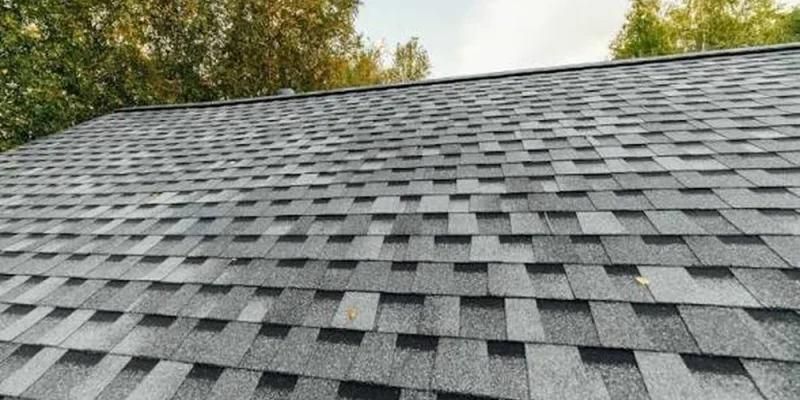
Few places test a roof like central Kansas. Storms build over the plains in late spring, roll east by evening, and can drop ice the size of golf balls in a few minutes. The Kansas Insurance Department counted 82,498 storm claims in 2025, with insurers paying out about $879 million. That’s nearly double what was paid two years earlier. With numbers like that, it’s no surprise that “impact-resistant” now shows up on almost every shingle bid in the region.
Homeowners in Great Bend, Hays and Larned who are planning a roof replacement often start by asking a local crew such as Watkins Roofing and Construction which products are worth paying more for. A contractor who climbs roofs every storm season sees how materials age in real life. They see which shingles shrug off a hit and which ones are shedding granules by their second summer. That kind of field experience matters, because the label on the bundle doesn’t tell the whole story.
The confusion starts with the word “Class 4.” Most impact-resistant shingles earn that label by passing UL 2218, a lab test that drops steel balls onto a shingle panel. A Class 4 product has taken repeated hits from a two-inch steel ball without cracking through. That proves something, but steel isn’t hail. Real hailstones are softer and less uniform, and they often strike at an angle. So a pass-or-fail stamp can’t show how a shingle will actually look and perform after a July storm.
A Better Look at How Shingles Take a Hit
To close that gap, the Insurance Institute for Business & Home Safety built its own test. Researchers make hailstones in the lab and fire them at shingles bought off retail shelves. The results are published as the IBHS Hail Impact-Resistant Shingle Ratings, which now cover two dozen products. Each one gets a score from zero to ten along with a rating of Excellent, Good, Marginal or Poor.
The most useful part is how IBHS splits damage into three separate modes:
Granule loss. Granules shield the asphalt from sunlight. When hail knocks them loose, the shingle starts breaking down faster, even if nothing looks cracked from the ground.
Dents and ridges. Some shingles stay intact but get dented or deformed. Over time, those weak spots can let water creep under the shingle above.
Tears. This is the worst result: the mat itself splits, and water has a direct path to the deck.
IBHS has found that two shingles with the same Class 4 label can score very differently across these three modes. One might keep its granules well but dent easily. Another might resist dents and still lose its surface coating. So if you’re comparing bids, ask which product is quoted and look up its IBHS score instead of trusting the stamp alone.
Cold Weather Changes the Equation
Kansas hail doesn’t only come in warm months. Storms in early spring and even October can hit shingles that are cold and stiff. Standard asphalt gets more brittle as temperatures drop, and it hardens more with every year in the sun.
That’s one reason many impact-resistant lines use SBS-modified asphalt, a rubber-like polymer blend that stays flexible across a wider temperature range. A flexible shingle absorbs a blow instead of fracturing. The tradeoff is that SBS shingles can scuff more easily during installation, so crews need to handle them carefully, especially on hot afternoons when the surface softens.
Age matters too. A shingle that held up well when it was new won’t keep exactly the same resistance fifteen years later. Impact-resistant products tend to keep more of their toughness over time, but no asphalt roof is immune to the Kansas sun.
The Installation Decides a Lot
Even the best-rated shingle won’t perform well on a weak base. Some details make a real difference in central Kansas:
- A solid, flat deck, since soft or delaminated plywood under a shingle lets hail push it deeper and tear it
- Nailing patterns that meet the manufacturer’s high-wind instructions, because straight-line winds here often come right after the hail
- Hip and ridge caps that match the impact rating of the field shingles, since ridges usually take the most direct hits
- Starter strips and edge details that keep wind from lifting the first course
Wind deserves as much attention as hail. Gusts of 60 to 70 miles per hour are common in summer storms on the plains. A shingle that survives the ice can still be lifted and creased by wind if it wasn’t fastened correctly. The National Roofing Contractors Association’s coverage of the IBHS hail protocol explains why these system details matter as much as the product.
What Insurance Does and Doesn’t Reward
Many insurers in hail-prone states offer a premium discount for roofs with a Class 4 rating. The amount varies a lot from company to company, and some carriers offer nothing at all. Before choosing a product, call your agent and ask what documentation they need. Usually that means the invoice, the exact product name, and sometimes a photo of the bundle wrapper showing the UL 2218 rating. Keep all of it in one folder.
It’s also worth reading your policy for a cosmetic damage exclusion. Some insurers add this endorsement in hail country. It means dents or marks that don’t affect a roof’s function aren’t covered. With impact-resistant shingles, that can work out fine, because the roof is built to take hits without failing. Still, it’s better to know ahead of time what a claim would and wouldn’t pay for.
Some policies also pay roof claims on actual cash value, which means the payout drops as the roof ages. On those policies, a roof that lasts longer has a clear financial upside. You’re less likely to file a claim when the roof is twelve years old and its depreciated value is low.
So, Is the Upgrade Worth It?
For most homes in central Kansas, the answer leans toward yes. That’s especially true for owners who plan to stay put for many years. The extra cost of an impact-resistant shingle is usually modest compared to the whole project, and a possible insurance discount can offset some of it over time. More important, a roof that avoids a tear in a mid-size storm saves you the hassle of a claim, a deductible, and weeks of waiting for a crew while storm season is busy.
The smart approach is to treat the Class 4 label as a starting point, not a finish line. Check the product’s independent hail score. Make sure the deck, fasteners and ridge caps match the quality of the shingle. And keep your paperwork, so you get credit for the upgrade with your insurer.
On the open plains, the weather will always have the last word. A well-chosen, well-installed roof makes sure that last word is a nuisance rather than a disaster.




Comments