
 By
By 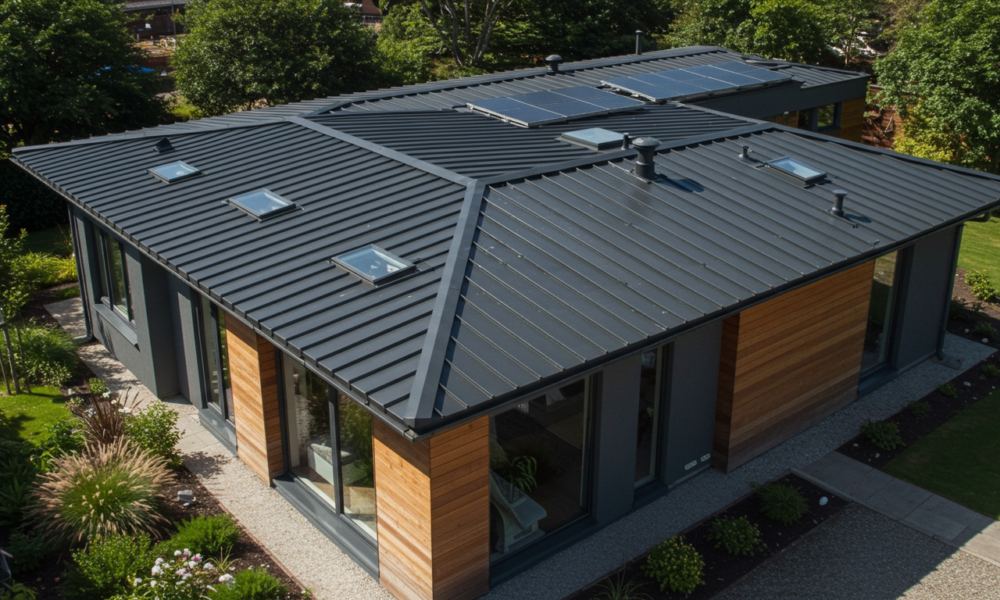
Shelbyville homes are rewriting their skyline as owners move beyond basic shingles to integrated roofing systems that manage water, heat, airflow, and durability as a single strategy. The shift is driven by better data from inspections, stronger materials, and a practical focus on preventing leaks before they start. Local experts such as Quality Exteriors have refined methods that work equally well on historic cottages and newly built residences, delivering the precision upgrades homeowners want without compromising aesthetics. Shelbyville Roofing Company has also leaned into technology and meticulous field practices, helping residents blend architectural character with modern performance. This article explores how design, diagnostics, materials, and maintenance intersect to extend the life of a roof—while safeguarding the homes and stories beneath it.
Shelbyville’s Blend of Historic and Contemporary Roof Design Styles
Shelbyville’s neighborhoods mix period architecture with new builds, and that blend shows up most clearly on the roofline. You’ll see slate and wood shakes sitting a street away from standing seam metal, architectural shingles, and flat membranes on modern additions. The challenge is not merely to match looks, but to combine the right underlayments, ventilation, and flashing systems that protect both original and contemporary features. Homeowners want the crisp lines of new materials without losing the texture and patina that define older streetscapes. That’s where precise detailing—valley transitions, chimney saddles, skylight tie-ins—turns style into durable performance that can stand up to Shelbyville’s seasonal swings.
Design considerations across eras
When a bungalow gets an energy-efficient reroof, the priorities include controlling moisture migration from the interior and respecting existing load limits. Historic roofs often have open-slat decks and steeper pitches that change how underlayments and fasteners behave, while modern low-slope sections demand membranes with welded seams and robust drainage planning. A team such as Shelbyville Roofing Company will map these differences before the first shingle or panel is removed, selecting flashing alloys, ridge ventilation, and drip edge profiles that complement each era. The outcome is a coherent roofscape: consistent color families, aligned eave heights, and details that turn a mix of materials into a single, resilient assembly. It’s the difference between a roof that looks stitched together and one that feels intentionally crafted.
Why Roof System Integration Outperforms Traditional Shingles
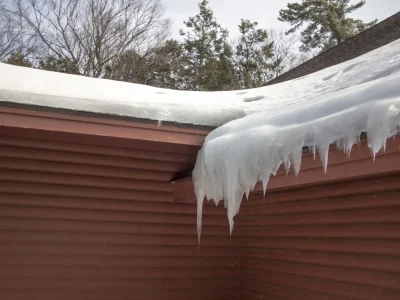
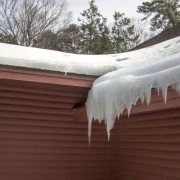
Traditional shingle reroofs often treat the surface as the whole solution, but performance lives in the system beneath. An integrated roof system coordinates attic ventilation, air sealing, high-temp underlayments, ice-and-water barriers, and precision flashing into one moisture and heat management plan. This coordination reduces ice dams, mitigates attic humidity, and stabilizes interior comfort—all while extending the life of the finish layer. For homes with varied pitches and dormers, integration prevents small transitions from becoming recurring leak points. In practice, this means fewer callbacks, better energy bills, and a roof that ages predictably rather than failing in patches.
Components working together
When done right, the parts are chosen to support each other rather than work at cross-purposes. Key elements include:
- Intake and ridge ventilation balanced to match attic volume and climate.
- Synthetic or high-temp underlayments tuned for metal, asphalt, or tile; not one-size-fits-all.
- Self-adhered membranes at eaves, valleys, and penetrations to halt wind-driven rain and thaw cycles.
- Flashings—step, counter, kick-out—sized and layered to shed water instead of trap it.
- Sealed deck seams on low-slope transitions to limit capillary movement.
Contractors who design the roof as a system can specify fastener patterns, starter courses, and edge metals that keep wind uplift and water deflection within tested limits. The result isn’t just a new surface; it’s a coordinated assembly engineered for Shelbyville’s seasonal temperature swings and heavy storms, and tuned to manage the building’s moisture load over decades.
Leak-Detection Innovations Using Infrared and Drone Scans
Leak prevention now starts with better eyes on the roof. Infrared thermography identifies thermal anomalies that point to trapped moisture, saturated insulation, or hidden voids under shingles and membranes. Drone scans bring consistent, high-resolution visuals of valleys, transitions, and steep pitches that are hard to inspect safely or thoroughly from a ladder. Together, these tools produce a map of priority repairs and design tweaks before installation begins, cutting surprises that drive change orders and future leaks. The process also builds a data baseline that can be compared over time to verify a roof’s health after major storms.
How modern diagnostics cut risk
A typical diagnostic sequence might start with an exterior drone flight to capture the entire roof plan and note obvious weak points like deteriorated flashing or ponding zones. An interior thermal survey then reveals damp sheathing or warm spots from air leakage, guiding targeted ventilation and air-sealing upgrades. Shelbyville Roofing Company often pairs these findings with moisture meter readings at suspect penetrations and skylight perimeters, creating a layered diagnostic rather than relying on one instrument. The combination informs a scope of work that is both conservative and precise: replace only what needs replacement, but don’t ignore the small details that become big leaks. This approach minimizes invasive tear-offs and ensures the new system is tuned to the actual conditions of the home.
Advanced Waterproofing Solutions for Older Home Restorations
Repairing or replacing a historic roof is as much conservation as construction. Older homes frequently feature complex intersections—chimneys with variable brick courses, stucco walls meeting steep gables, or shallow rear additions that transition to low-slope sections. Advanced waterproofing integrates self-adhered membranes behind counterflashing, fluid-applied sealants at irregular masonry, and breathable synthetic underlayments that don’t trap moisture in original wood decks. Copper or stainless steel flashings are often specified for durability and compatibility with lime-based mortars, especially where acidic runoff can corrode lesser metals. The goal is to create a robust, layered defense that aligns with the building’s age and materials.
Respecting historic fabric while stopping water
The best restorations use modern science to protect old fabric without altering its appearance. For example, a concealed cricket behind a chimney can redirect water without changing the silhouette, while a high-temp membrane under slate shields sheathing from radiant heat. Quality Exteriors frequently models these details in advance, confirming lap directions, end dams, and termination bars that keep water moving outward and downward. Where wood shakes or hand-split shingles are retained, breathable underlayments and rainscreen battens allow drying from both sides, reducing the risk of rot. This hybrid approach preserves historic curb appeal while achieving the leak resistance that modern owners expect from a premium roof.
Maintenance Scheduling Tools Improving Homeowner Efficiency
A well-designed roof deserves a maintenance plan that matches its complexity. Digital scheduling tools now bundle seasonal checklists with reminders for gutter cleaning, sealant inspection, and debris removal from valleys and behind chimneys. These platforms often include photo logs, making it easy for homeowners to compare conditions from one season to the next and flag subtle changes before they turn into repairs. Automated prompts aligned to Shelbyville’s climate—freeze-thaw cycles in late winter, heavy spring rains, and leaf loads in fall—keep tasks timely. Over time, consistent maintenance measurably reduces lifecycle costs and extends warranty protection.
Practical intervals and what to track
Homeowners benefit from a rhythm they can stick to, which usually means quarterly mini-inspections and one deeper annual review. Core items include:
- Clearing gutters and downspouts to prevent overflow at eaves.
- Examining sealants at skylights, pipe boots, and counterflashings for UV cracking.
- Checking ridge and intake vents for obstructions and pest intrusion.
- Noting shingles or panels that have shifted after wind events.
Some platforms integrate with contractor portals, enabling quick service requests with uploaded images and exact locations. Shelbyville Roofing Company leverages these logs to prioritize proactive fixes—like replacing a fatigued boot or resealing a step flashing—before water finds a path indoors. By turning maintenance into a simple, repeatable workflow, owners preserve both the roof’s performance and the home’s interior finishes with minimal fuss.
Local Material Sourcing and Its Impact on Roof Sustainability
Sourcing roofing materials locally does more than shorten lead times; it trims transportation emissions and often improves performance through climate-specific formulations. Granule blends in asphalt shingles, for example, can be tuned to resist regional algae growth, while metal panels with local coil coatings may reflect solar heat more effectively in Shelbyville’s summer. Local suppliers also tend to stock compatible accessories—fasteners, sealants, and edge metals—reducing mismatches that compromise system integrity. When repairs are needed, a consistent inventory ensures color and profile continuity across the roof’s lifespan, protecting curb appeal and resale value.
How local supply chains support resilience
A stable regional supply chain helps homeowners and contractors respond quickly after storms, limiting temporary patches that invite future leaks. It also supports recycling initiatives—tear-off shingles diverted to road base, metal offcuts returned to mills, and pallets re-used—lowering the project’s total environmental footprint. Engaging local technical reps gives installers rapid access to warranty guidance and field-tested details, which prevents guesswork at complex transitions. While national brands bring breadth, local distribution brings speed and specificity that matter in real-world installs. Partnering with experienced teams and suppliers ensures the roof is not only greener, but also better tailored to Shelbyville’s weather and architectural variety.
Ensuring Longevity Through Certified Installation Practices
Roof longevity starts with the crew’s credentials and the process they follow from the first fastener to the final inspection. Manufacturer-certified installers are trained to meet exacting specs for nail patterns, seam temperatures, and flashing assemblies, which directly affects warranty length and coverage. Pre-install checklists verify deck condition, slope suitability, and ventilation requirements before materials arrive, minimizing mid-project changes. During installation, field supervisors document substrate prep, membrane laps, and penetration details, creating a photo record that proves compliance. Once complete, a methodical water-shedding test and ventilation balance review confirm the system is performing as designed.
Documentation, commissioning, and warranty success
A disciplined closeout is more than a signature; it’s a form of commissioning for your roof. Crews verify manufacturer details—end laps, starter courses, ridge cap attachment—and correct minor issues before they become major. Quality Exteriors often includes a maintenance handoff that outlines care intervals, compatible sealants, and do-not-use products, protecting the roof from well-meant but damaging DIY fixes. Owners receive organized records—product lists, batch numbers, and installation photos—that streamline future service and preserve warranty rights. With the right paperwork and a proven process, your roof is positioned to deliver decades of reliable protection, not just years of cosmetic appeal.




Comments