
 By
By 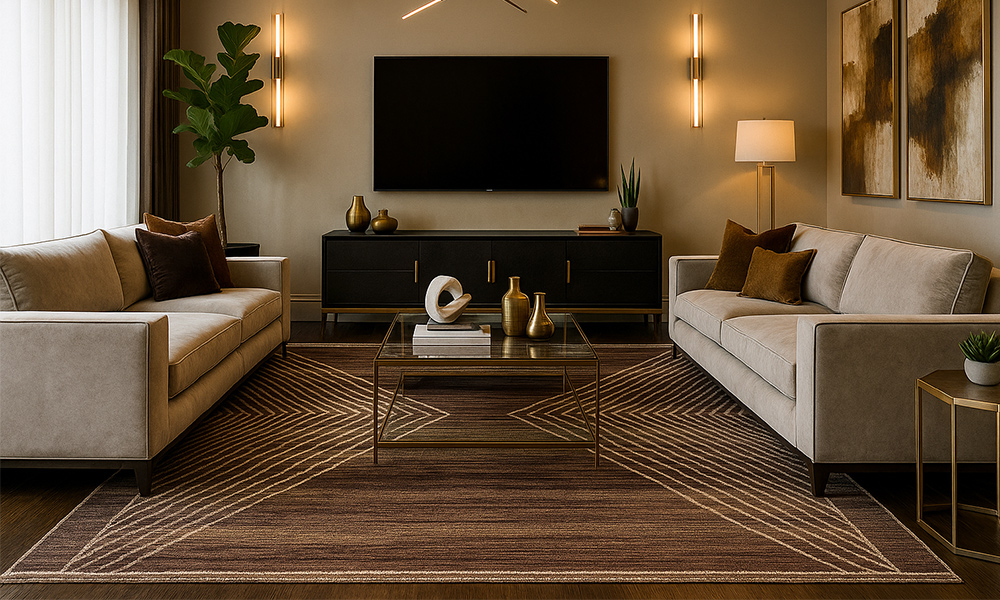
Small spaces often present unique challenges, but with thoughtful design, they can feel open, elegant, and inviting. The secret lies in combining functionality with a sense of style, allowing every element in the room to contribute to a polished and cohesive look. By carefully selecting furniture, arranging pieces strategically, and layering textures and lighting, a small space can feel much larger than its actual square footage.
Color choice plays a foundational role in creating the perception of space. Lighter shades reflect more light, making a room feel airy and open. Soft neutrals, muted pastels, or warm whites can serve as a versatile base, while pops of color in accessories like pillows, rugs, or artwork add personality and visual interest. Subtle contrasts within a carefully chosen palette prevent the space from feeling flat while maintaining a harmonious flow. Mirrors are also invaluable in small rooms, reflecting both natural and artificial light and creating the illusion of depth. A well-placed mirror can transform the perception of a space almost instantly.
Furniture selection is crucial when square footage is limited. Opting for pieces that are proportionate and multi-functional allows a small room to remain uncluttered and stylish. Sofas or chairs with built-in storage, lift-up coffee tables, or ottomans with hidden compartments provide practical solutions without compromising the design. Checking Coleman Furniture reviews can provide insight into which items offer both aesthetic appeal and quality craftsmanship, helping to ensure that every piece contributes to a cohesive and functional room.
Vertical space is another often overlooked opportunity. Tall bookshelves, wall-mounted cabinets, and floating shelves draw the eye upward, creating the impression of higher ceilings. Open shelving can be used to display carefully curated décor while keeping everyday items accessible, whereas closed cabinets hide clutter, maintaining a clean and organized appearance. Utilizing vertical elements allows the floor area to remain open, which is key to making a room feel spacious.
Textiles and materials also influence how large a room feels. Rugs, curtains, and throws can add depth and warmth without overwhelming the space. Choosing lighter fabrics and subtle patterns helps maintain an open feel, while coordinated textures tie the room together. For example, a soft wool rug paired with a sleek linen sofa can create a layered, tactile environment that feels inviting yet uncluttered. Textiles can also be used strategically to delineate areas in a small open-plan space, helping each zone feel defined while remaining part of a unified design.
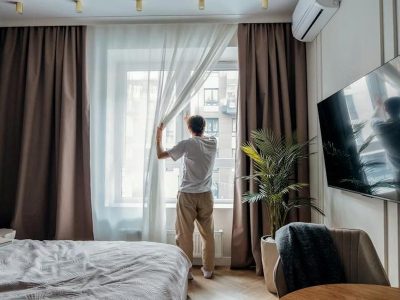
Lighting is essential in enhancing the perception of space. Layering different types of lighting, such as ambient, task, and accent sources, adds depth and dimension. Floor lamps, wall sconces, and table lamps provide soft illumination without occupying too much physical space, while natural light should be maximized wherever possible. Sheer curtains or blinds allow sunlight to filter in while preserving privacy, contributing to an open and airy atmosphere.
Organization and storage are fundamental for maintaining a polished look in a small room. Every item should have a dedicated place to prevent clutter from overwhelming the space. Multi-functional furniture that conceals storage, such as benches, side tables, or bed frames with drawers, can help keep belongings out of sight. Coordinated storage solutions ensure that practicality does not interfere with style, allowing the room to appear cohesive and intentionally designed.
The arrangement of furniture also impacts how spacious a room feels. Avoid blocking natural walkways and keep sightlines clear. Positioning pieces away from walls and allowing space around seating areas creates a sense of openness. Smaller, modular furniture can be arranged flexibly to accommodate changing needs, and transparent or reflective surfaces like glass tables or acrylic chairs can reduce visual weight while adding sophistication. Grouping furniture strategically encourages flow and conversation without overcrowding the space.
Decorative elements should be carefully curated. Overloading surfaces with small items can make a room feel chaotic. Instead, choose a few statement pieces and repeat colors, textures, or shapes throughout the space to create rhythm and cohesion. Tall or vertical artwork draws the eye upward, emphasizing height and adding to the perception of space. Plants, fresh flowers, or natural accents introduce life and warmth while softening corners and preventing the room from feeling sterile.
Finally, balance and repetition help unify the room’s design. Echoing colors, finishes, or patterns in multiple areas provides a sense of continuity that makes the space feel thoughtfully styled. Coordinated furniture, textiles, and accessories work together to maintain a polished, intentional appearance. This attention to detail ensures that every element contributes to the overall aesthetic while supporting the functional needs of a small space.
In conclusion, making a small space feel spacious and beautiful requires a combination of thoughtful furniture selection, strategic arrangement, clever storage solutions, and a cohesive design palette. By layering textures, maximizing light, and using vertical and multi-functional elements, a room can feel larger, more inviting, and refined. Consulting trusted sources such as Coleman Furniture reviews can guide choices that marry style with quality, helping to ensure that each piece enhances the room’s aesthetic. With careful planning and attention to detail, even the most compact space can achieve a polished, organized, and effortlessly elegant look.







Comments