
 By
By 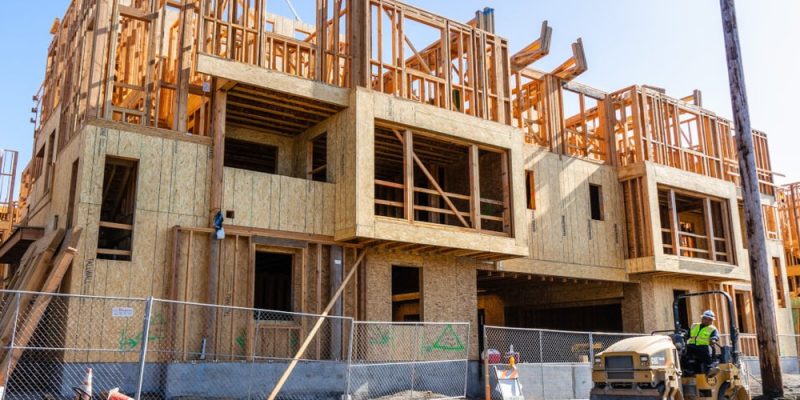
You should remember that construction projects might seem like similar options on the surface. However, beneath it, we can differentiate numerous differences between commercial and residential constructions.
These two options operate in different worlds. You should understand the differences that will help you save money, time and frustration for homeowners, business owners, developers and project stakeholders, among other things. As soon as you check here, you can learn a few things about construction.
In further article, we will talk about differences between commercial and residential projects and the way they differ regarding timelines, regulations, expenses, team structures and risk. Therefore, you should understand a few things about details that will help you make informed decisions before making up your mind. Let us start from the beginning.
At the basic level, residential construction refers to projects that deal with buildings and projects where people reside. On the other hand, commercial construction refers to spaces where people work, shop, gather and receive services.
Generally, residential construction includes townhouses, duplexes, single-family homes, small multi-family buildings and condominiums, among other things. On the other hand, commercial construction takes advantage of retail stores, offices, restaurants, warehouses, industrial spaces, gyms, multi-tenant buildings and hospitality venues.
These distinctions determine the teams, codes, material demands, timelines, engineering requirement and financial structures that will apply to the process.
According to market data, residential construction is more than half of US building activities in the last few years. Therefore, the need for housing is continually increasing, while commercial spending is driving large business development projects and infrastructure.
User Expectations and Project Purposes
You should know that the core reason to build residential construction is for personal use. It means you should consider factors such as lifestyle preferences, aesthetics and comfort. Quality expectations are shaped by individual priorities and your own taste.
Commercial projects are specifically created for business reasons and operations. We are talking about factors such as public safety, functionality, durability and the chance to withstand heavy-duty activities. This is a fundamental difference.
Complexity, Scale and Scope
Commercial jobs involve a more significant scale and scope than the ones used for residential purposes. A single-family home can be a site-built with simple and already established systems.
On the other hand, a distribution warehouse or corporate headquarters may require specialized mechanical, electrical and plumbing, structural work and coordination across various trades. The same thing works for inspection, permits, and regulatory compliance based on your specific needs.
Commercial projects often require detailed plans, engineering sign-offs, zoning approvals, fire protection design and accessibility compliance. Residential work may need inspections and permits, but the regulatory layer is thinner, which is vital to remember. You should learn more about College Station Construction by checking the following address for more info:
Compliance, Permits and Codes
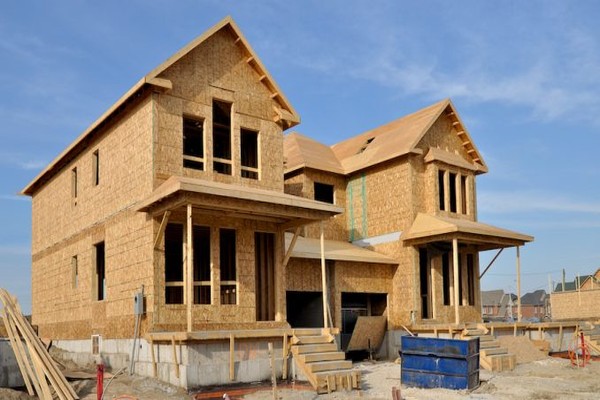
One of the biggest differences in construction services between commercial and residential work is how deeply regulations influence various phases. Residential permits tend to focus on structural integrity, safety and basic status compliance. You can easily obtain them at the municipal level, meaning you can adopt a predictable schedule based on your preferences.
On the other hand, commercial building codes are more comprehensive and stringent. It means you should think about ADA accessible requirements, life safety systems and fire safety, parking, egress, occupancy safeguards, energy efficiency and ventilation standards.
Since commercial buildings tend to serve customers, employees and the public, you should ensure to get reliable documentation. This will influence both cost and timeline, which is vital to remember.
Building Materials, Methods and Engineering
Residential projects tend to use lighter framing materials such as masonry, brick, and wood. You may get finishes that will prioritize comfort and aesthetics. Commercial construction tends to rely on concrete and steel framing, materials chosen for durability and longevity and extensive structural enforcement for ensuring longevity after further use.
The scale of materials and sheer volume required for commercial projects means that logistics, procurement and quality control are more complex than residential options. Engineering within commercial projects happens earlier and remains crucial throughout the process.
You will need system engineers, structural engineers, and code consultants that will help you shape everything from HVAC layouts to emergency plans. Visit this link: https://www.dailymotion.com/video/x809iy3 to learn more about this particular topic.
Regarding residential projects, you should know that engineering needs are more limited, meaning that they can be involved when unique designs and structural changes are involved.
Scheduling and Timeline
You can easily expect residential projects to move faster than commercial options, which happens because regulatory steps are fewer and you do not have stakeholders as in other options. A home renovation can be completed in a matter of months. The variety in timeline directly reflects priorities.
Residential builds tend to accommodate the schedules of a specific homeowner. However, if you wish to build a commercial area, you are specifically tied to business operations, broader stakeholder coordination, and lease commitments, among other things.







Comments