
 By
By 
In various industries, material processing plays a pivotal role in everyday tasks. An incline screen is one of the most common choices of machinery to ensure that aggregate sizing is conducted in the most efficient way possible. You see an incline screen used in industries such as construction, mining, and recycling, amongst others. This article will explore its uses and the benefits within the different industries where it is found.
What is an inclined screen?
An inclined screen is a mobile piece of machinery that is used to separate materials into a variety of sizes. An incline screener is more commonly used when separating fine aggregates, such as rock, gravel and sand, where a scalping screener is traditionally used for more bulky material. It is designed with a sloped surface (usually sloped between 15° and 30°) that is manufactured using mesh or perforated plates. This vibrates to move the materials across the surface, and as the larger objects move downwards, the smaller particles pass through the openings. This ensures that there is accurate separation between different sizes to the desired ranges. From the coarse to the fine materials, and makes saleable construction material products from what previously had little to no value.
What are the benefits of an inclined screen?
Inclined screens offer a range of benefits in many different industries.
- Customisation
An inclined screen is versatile, as the operational parameters can be customised to suit the size of the materials being processed, the material type, and the processing capacity.
- Safe standards
Manually sorting bulk materials takes a long time, with high manual labour required, which could be dangerous.
- High throughput
For aggregate sizing, sorting recyclable waste, or mineral separation in mining, there is a requirement for fast and continuous operations, which an inclined screen offers.
What industries are inclined screeners used in?
The following are some examples of industries where you see an inclined screen in operations.
- Recycling
The waste management industry is challenging, with many different materials passing through. An inclined screener assists with sorting plastics, metals, and glass, amongst other things.
- Food processing
It is impossible to efficiently sort grains, seeds, and other food products based on size without the mechanical assistance of an inclined screen to ensure uniformity and quality control.
- Construction
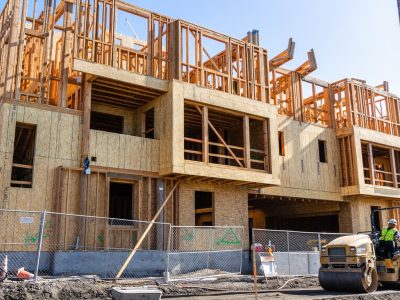
In construction, there are always aggregates to sort, such as sand, gravel, and crushed stone. The sorting process improves the quality of asphalt and concrete.
- Mining
In mining, the separation of ore from waste rock is crucial. This helps to prepare materials for further processing and improves efficiency and the final product.
Find the best inclined screen for your business
An inclined screen is an essential piece of equipment in a few different industries where there is a need to sort through materials and separate them based on type and size. The demand for advanced screening solutions continues to grow, as industries evolve, as recycling and sustainability become more key, and where there is a requirement for safer and more efficient material handling.
If you are responsible for the procurement of machinery and equipment to sort materials on site, find a supplier of an incline screen that matches the specifics of your location and the type, size, and quantity of materials that are to be sorted. This will make a significant difference to your operations, improving operational efficiencies and safety standards.





Comments