
 By
By 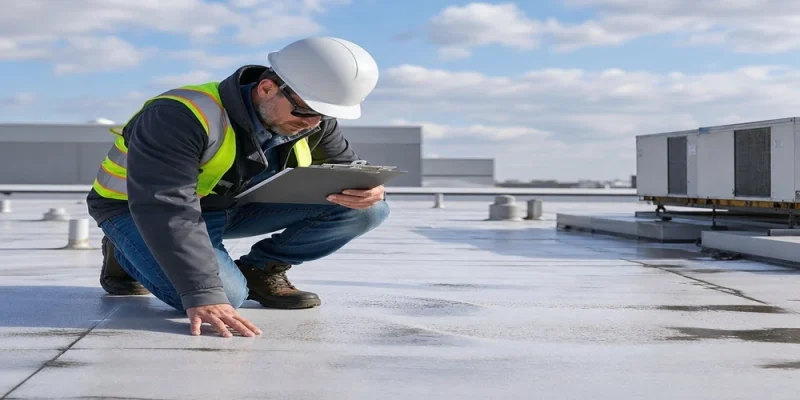
It’s possible for a commercial roof to look fine from the ground but have moisture, damaged components, or drainage issues.
Since a commercial roof protects valuable equipment, inventory, workers, and tenants, a small defect left unchecked could lead to a disruptive leak and/or structural damage.
Having a commercial roof inspected gives you a better understanding of the roof’s condition, which will help you decide what kind of maintenance is necessary.
Why Are Commercial Roof Inspections Important?
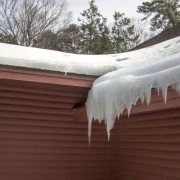
Commercial roofs take a beating from sun, wind, rain, snow, and hail (you can see this for yourself at https://www.education.nationalgeographic.org/resource) as well as leaves, foot traffic, and the weight of rooftop equipment. Seams could begin to fail, the surface could degrade, or drains could get clogged.
A commercial roof inspection will detect these types of problems early, helping to avoid expensive emergency repairs.
Roof inspections can also help you plan for future maintenance, ensure warranty compliance, and budget for a roof replacement.
And if you’re buying or leasing a building, an inspection might uncover expenses that aren’t obvious in a typical property tour.
What Is Examined During a Commercial Roof Inspection?
A commercial roof inspector is not just looking for a leak; he or she is evaluating the entire roof system. First, the inspector reviews the roof’s age, design, history of repairs and problems.
Next, he or she conducts a visual inspection of the roof, noting:
Commercial roof inspector examining roofing components
- Membrane, panel, coating, seam, and fastener condition
- Flashing on walls, curbs, vents, and penetrations
- Drains, gutters, scuppers, and downspouts
- Standing water or improper drainage
- Blisters, cracks, punctures, rust, loose debris, and other damage
- Equipment mounts and access doors
- Ceiling and wall conditions below suspected areas
Some problems can’t be seen from the surface because moisture may be trapped in the insulation. Depending on the type of roof and situation, an inspector may use specialized tools to measure temperature differences (go now), find wet insulation, or otherwise determine where an area may need to be opened up and examined more closely.
When Should I Have My Commercial Roof Inspected?
How often your commercial roof needs to be inspected depends on the age, material, condition, and exposure of the roof. As a rule of thumb, schedule an inspection at least once or twice a year to keep a regular maintenance log.
Roofs that are old or experiencing frequent problems may need more frequent inspections.
You should also schedule a commercial roof inspection after severe weather events, even if you don’t see any signs of a leak. Wind can loosen flashing, hail can cause punctures, and heavy rains can expose drainage issues.
If an inspector finds a problem, getting it fixed right away could prevent a small opening from allowing moisture to migrate throughout the insulation or decking.
Other situations when you should have your commercial roof inspected include:
- Before a warranty expires
- Before work is done on rooftop equipment
- When buying or selling a building
- When you notice stains, watermarks, or odors inside
What Is Included in a Commercial Roof Inspection Report?
A good inspection report should tell you more than whether the roof passes or fails. It should detail the observed conditions, areas affected, urgency of each issue, and recommended next steps.
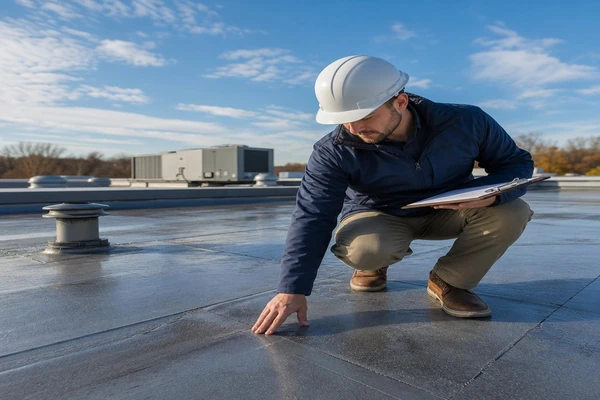
Commercial roof inspection report with documented findings
Findings usually fall into one of three categories:
- Immediate repair needed: Leaks, open seams, unsafe conditions, or other defects that are likely to cause further damage or injury if ignored.
- Planned maintenance: Cleaning, re-sealing, recoating, or minor repairs that should be scheduled to maintain the roof’s performance.
- Longer-term needs: Major restoration or replacement work that should be planned and budgeted for in the future.
Don’t be afraid to ask questions about an inspector’s recommendations. You want to understand if the repair addresses the root cause or only the symptoms, so you don’t end up paying for the same repair over and over again.
Tips for Commercial Roof Inspection Prep
Preparation will make your commercial roof inspection more efficient. Make sure the inspector has access to the roof, any interior utility spaces, and maintenance records if available.
If you know the location of past leaks, repairs, or equipment, let the inspector know. Don’t move or cover things that might be clues to the source of a problem.
Safety should always come first. The roof edge, fragile surfaces, electrical equipment, and slippery conditions all present serious safety risks. Have commercial roof inspections performed by experienced professionals using proper safety procedures.
Consider creating a log book to document anyone who goes onto the roof, and what they did there. A roof access log could link a fresh hole, a moved panel or damaged flashing to recent HVAC, electrical or other maintenance activity.
A Routine Inspection Keeps Your Commercial Roof in Good Shape
A routine commercial roof inspection keeps you from having to address problems reactively.
By regularly assessing the roof, keeping track of its condition, and making repairs as needed, you’ll be able to minimize disruptions and prolong the roof’s lifespan.



Comments