
 By
By 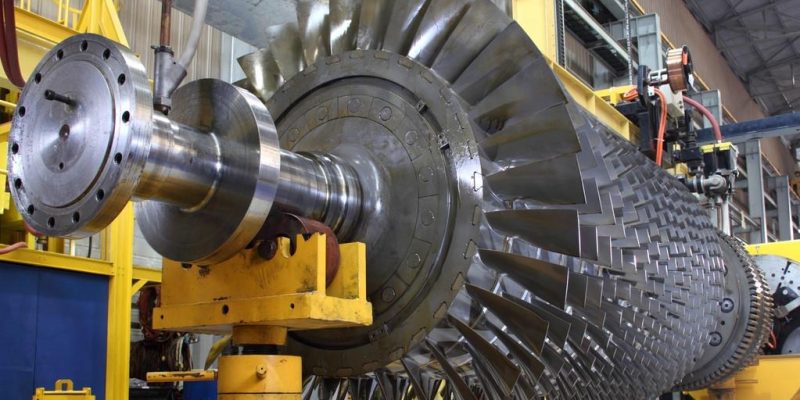
Hot gas path (HGP) inspection services are a critical component of gas turbine maintenance programs. These inspections focus on the high-temperature components of a turbine that are directly exposed to combustion gases, including turbine blades, vanes, combustors, and transition pieces. Regular hot gas path inspections help operators maintain efficiency, reduce unplanned outages, and extend the operational life of gas turbine equipment.
What Is a Hot Gas Path Inspection?
A hot gas path check is a planned maintenance procedure that is conducted on gas turbines after a certain amount of hours or start cycles. It focuses on the most stressed parts of the turbine which are those that are subjected to high temperature, pressure and mechanical strains. The components that are subject to thermal, oxidation and wear are prone to frequent inspection because their continued safe and efficient operation is necessary.
In an HGP inspection, the technicians check the components to determine their presence of cracks, corrosion, distortion, coating degradation, and foreign object damage. The inspections can be performed by, at least, partially disassembling the turbine, which means that it is not necessary to fully disassemble it to reach specific critical internal components of the turbine. Read this for reference.
Key Components Inspected
The inspection services of hot gas paths are generally concentrated on a number of tube core components. The components of the combustion system, including liners, nozzles in the fuel, and transition components are checked on the cracking, hot spots, and wear. Vanes and turbine blades are tested to determine creep, tip wear and coating loss which can limit the aerodynamic efficiency and leads to the risk of failure.
Exhaust parts and seals can also be checked to make sure that they are in order with gas flows and temperatures. Observing the system before it gets worse enables maintenance teams to anticipate repairs or replacement of a system before it damages further.
Inspection Methods and Technologies
Hot gas path inspection services in the present day are based on a mix of a visual inspection, non-destructive testing (NDT), and advanced diagnostic equipment. Borescope inspection enables technicians to see inside parts without much dismantling, which saves on time and expenses. There are other NDT techniques like dye penetrant testing, ultrasonic testing and eddy current inspection, which can assist in detecting a defect on the surface and underground.
Thermal data and performance data analysis can also be utilized to detect any abnormal temperature trend or efficiency loss that would be indicative of future developing problems in the hot gas path.

Benefits of Hot Gas Path Inspection Services
Hot gas path inspection services have one of the main advantages in terms of enhanced reliability. By detecting and mitigating component wear early, operators are able to avert unforeseen failures which result in expensive forced outages. Preventive maintenance, which is determined by the results of the inspection, is much less costly than emergency measures.
The inspections of HGP also optimize the performance of turbines. Damaged or worn parts have the potential to lower efficiency, fuel usage, and emissions. These problems can be addressed during inspections and ensure the maximization of operating conditions and adherence to the environmental standards.
Also, periodic checks prolong equipment. Timely replacement or refurbishment of parts minimizes the stress on other parts enhancing the major overhaul and capital expenditure requirements.
Industries That Rely on HGP Inspections
Hot gas path inspection service is needed in various industries. Gas turbines are used in power generation plants to produce electricity to address the base-load and peak-demand electricity requirements. Gas turbines are also employed in industrial plants (refineries, chemical plants, and manufacturing plants) as a part of mechanical drives and combined heat and power.
The turbine reliability of oil and gas facilities in compression and processing processes is also part of the asset management strategies of the facilities and hence regularly inspecting the HGP is of paramount importance. Go to this site to learn more.
Choosing the Right Inspection Service Provider
It is important to carefully choose a provider of expert hot gas path inspection. Trained personnel will use qualified technicians who are knowledgeable in turbine models and OEM specifications. They are also very strict in terms of safety and they have calibrated inspection tools to give the right results.
A trusted service provider can provide in depth inspection reports, concise and precise recommendations as well as scheduling flexibility to reduce inconvenience to operations. Turbine services are usually combined with inspection services in many providers alongside repair, replacement, and lifecycle management services.
Conclusion
Hot gas path inspection services play a critical part of proactive service and maintenance of gas turbines. These inspections contribute to the reliability, efficiency, and safe operation by targeting the most significant components with high temperatures. Regular checks of HGP also enable the operators to minimise downtimes, manage the maintenance expense and increase the life span of the turbine assets. An investment in professional installations of hot gas path inspection services will eventually contribute to the operational balance and stability in future performance in highly industrialized environments.









Comments