
 By
By 
Most Texans think of water quality as a fixed thing. You either have hard water or you don’t, and that’s that. In reality, the water coming out of your tap shifts with the calendar. Summer heat, spring storms, winter freezes, and long dry spells all change what is dissolved in your water and how it tastes, smells, and behaves in your home.
Understanding these seasonal swings helps you spot problems early and choose the right treatment instead of guessing. A trusted local provider like Texas Best Water System can test your supply and match a solution to what is actually in your water, not just what a general guide says should be there.
Summer: Heat, Demand, and Strong Chlorine Smells
Texas summers push water systems hard. Demand climbs as people water lawns, fill pools, and run air conditioners, and warm water encourages bacterial growth in pipes and reservoirs. To stay ahead of that, municipal suppliers often raise disinfectant levels.
You may notice:
- A stronger chlorine smell or taste, especially from the first glass of the morning
- Water that feels slightly drier on your skin after showering
- Faint musty or earthy notes in surface water supplies when algae blooms in warm lakes and reservoirs
None of this means your water is unsafe. It does mean summer is a good time to consider carbon filtration, which is well suited to reducing chlorine taste and odor at the tap.
Fall: The Quiet Season for Sediment
When temperatures drop and rainfall patterns shift, many homeowners see a different issue: sediment. Leaves, soil, and loosened mineral deposits can wash into supplies, and changes in pressure from system flushing can knock scale loose from the inside of pipes.
Signs include cloudy water, tiny grit in a glass, or a clogged faucet aerator. A sediment pre filter is a simple, affordable way to protect your fixtures and appliances before water reaches the rest of your plumbing.
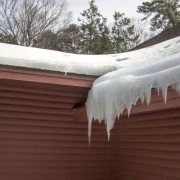
Winter: Cold Snaps and Hidden Stress on Plumbing
Texas winters are short but unpredictable, and cold snaps can be hard on household systems. Water also holds gases differently when it is cold, which can change how it tastes.
Winter is a smart time to check:
- Exposed pipes and outdoor spigots for freeze protection
- Water heater performance, since mineral buildup makes heaters work harder in cold weather
- Any treatment equipment installed in garages or outdoor utility areas
Hard water scale builds up inside heaters year round, but it becomes more noticeable when the unit is working overtime to keep up with winter demand.
Spring: Runoff and Changing Source Water
Spring storms bring heavy runoff into rivers, lakes, and aquifers. That runoff can carry agricultural residue, organic matter, and extra minerals into source water. Treatment plants adjust, but the water that reaches your home can still change in taste, clarity, and mineral content from week to week.
For households on private wells, spring is especially important. Heavy rain can alter well water chemistry and raise the risk of contamination, so this is an ideal time for a full water test.
The Constant Challenge: Hardness Across Texas
Beyond the seasonal shifts, many Texas households deal with year round hardness. Water that has passed through limestone and other mineral rich ground picks up calcium and magnesium. The result is the familiar chalky scale on faucets, spotted glassware, stiff laundry, and appliances that wear out sooner than they should.
Hardness tends to feel worse in summer, when evaporation concentrates minerals on surfaces, and in dry periods, when groundwater use increases. The U.S. Environmental Protection Agency publishes guidance on secondary drinking water standards, which covers nuisance contaminants that affect taste, odor, and appearance without being direct health threats. It is a useful reference when you are trying to understand what your test results mean.
A Simple Seasonal Water Checklist
Build a habit of checking your water a few times a year instead of only when something goes wrong.
- Test at the start of summer and again in early spring. These two points catch the biggest swings.
- Replace filters on schedule. A saturated filter does less work and can even release what it captured.
- Flush your water heater once a year to remove scale and sediment.
- Watch for changes. A new smell, color, or taste is your earliest warning.
- Keep records. Notes from past tests make it easier to see patterns and choose the right equipment.
Matching Treatment to the Problem
Because Texas water changes with the seasons and the source, no single product fixes everything. A water softener handles hardness. Carbon filtration improves taste and odor. Sediment filters protect plumbing. Reverse osmosis polishes drinking water at the kitchen tap. Many homes do best with a combination, sized correctly for household use.
The key is to start with real data. A proper water test tells you what you are actually dealing with, and a local team that understands regional water conditions can design a setup that works in every season, not just on the day it was installed.
Final Thoughts
Your water is not static, and your approach to it shouldn’t be either. By paying attention to how it changes through the year, you can protect your plumbing, extend the life of your appliances, and enjoy water that tastes better every day. Small seasonal habits add up to a healthier, more comfortable home.





Comments