
 By
By 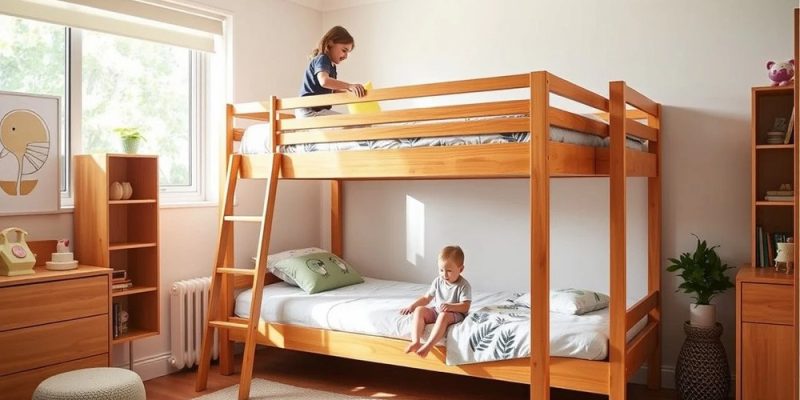
Bunk beds are one of those things many of us associate with childhood-sleepovers, shared rooms, and maybe a bit of climbing up and down when no one was looking. But once you become a parent (or start planning your home with kids in mind), a space-saving bunk beds take on a whole new meaning.
They’re no longer just fun-they’re practical.
Still, the real question isn’t what bunk beds are. It’s when they actually make sense for your family. Because while they can be a brilliant solution, they’re not always the right fit at every stage.
When Kids Start Sharing a Room
In many homes in Singapore, especially HDB flats, it’s common for siblings to share a bedroom. At first, separate single beds might work. But as kids grow, that setup can quickly eat into valuable floor space. Suddenly, there’s barely any room left for studying, playing, or even just moving around comfortably.
That’s where bunk beds for kids come in.
Stacking the sleeping area vertically frees up a surprising amount of space. What used to be two beds side by side becomes one compact unit, leaving room for desks, storage, or even just a bit of breathing space.
If the room is starting to feel cramped, this is usually a strong sign that a bunk bed could make everyday life easier.
When You Need to Maximise a Small Bedroom
Even if your kids aren’t sharing, space can still be tight.
Maybe the room needs to fit a bed, a study desk, and storage. Or maybe your child is growing and needs more functional space for schoolwork and hobbies. A standard bed can limit how the rest of the room is used.
Bunk beds-especially loft-style ones-help shift things around. The sleeping area goes up, and the space below can become:
- A study corner
- Storage shelves
- A small play area
In Singapore homes where every square metre matters, this kind of layout change can make a room feel much more usable without needing a bigger space.
When Your Kids Are Old Enough
Timing matters more than people think.
Bunk beds are usually best suited for children who are old enough to safely climb up and down the ladder-typically around six years old and above for the top bunk. Younger children can still use the lower bunk comfortably, but safety becomes a key consideration.
If your kids are at that stage where they’re more independent, more aware, and a bit more coordinated, a bunk bed starts to feel like a natural upgrade rather than a risky one.
When You’re Trying to Keep the Room Organised
Let’s be honest-kids come with a lot of stuff. Toys, books, clothes, school bags… it adds up quickly.
When floor space is taken up by multiple beds, storage often ends up squeezed into awkward corners, or worse, left out in the open. That’s when rooms start to feel messy even when you’ve tidied up.
Many bunk beds now come with built-in storage options like drawers, shelves, or even integrated wardrobes. This helps keep everything in one place and makes it easier for kids to manage their own things.
A more organised room isn’t just about aesthetics-it also makes daily routines smoother, especially on busy school mornings.
When You Want to Make the Room More Fun
There’s also a softer side to this decision.
Kids tend to love bunk beds. The idea of having a “top bunk” or a cosy lower space often makes the room feel more personal and exciting. It becomes more than just a place to sleep-it becomes their space.
For siblings, it can even turn into a bonding experience (with the occasional debate over who gets the top, of course).
While practicality is important, that sense of enjoyment and ownership matters too. When kids like their space, they’re more likely to take care of it-and even keep it tidy (well, most of the time).
When You’re Planning Ahead
Sometimes the right time isn’t about the present-it’s about what’s coming next.
Maybe your kids aren’t sharing yet, but you know they will in a year or two. Or perhaps you’re setting up a room that needs to grow with them over time.
Investing in a bunk bed early can save you from rearranging or replacing furniture later on. It’s one of those decisions that feels more worthwhile when you’re thinking long-term.
When It Might Not Be the Right Time
Just to keep things balanced-bunk beds aren’t always the answer.
They might not make sense if:
- The room has enough space for separate beds without feeling cramped
- Your child isn’t comfortable sleeping on an elevated bed
- You prefer a layout that’s easy to rearrange frequently
- The ceiling height is too low to comfortably accommodate a top bunk
In these cases, a traditional bed setup might feel simpler and more suitable for your current needs.
Final Thoughts
So, when do bunk beds make sense for growing families?
Usually, it’s when space starts to feel limited, routines become busier, and the room needs to do more than it used to.
They’re not just about saving space-they’re about making the room work better for your kids as they grow. More room to study, more room to play, and a setup that adapts as life changes.
In Singapore homes where flexibility is key, bunk beds often end up being more than just a practical choice. They become part of how the family lives, grows, and makes the most of the space they have.
And once everything settles into place, you’ll probably find yourself wondering why you didn’t make the switch sooner.





Comments