
 By
By 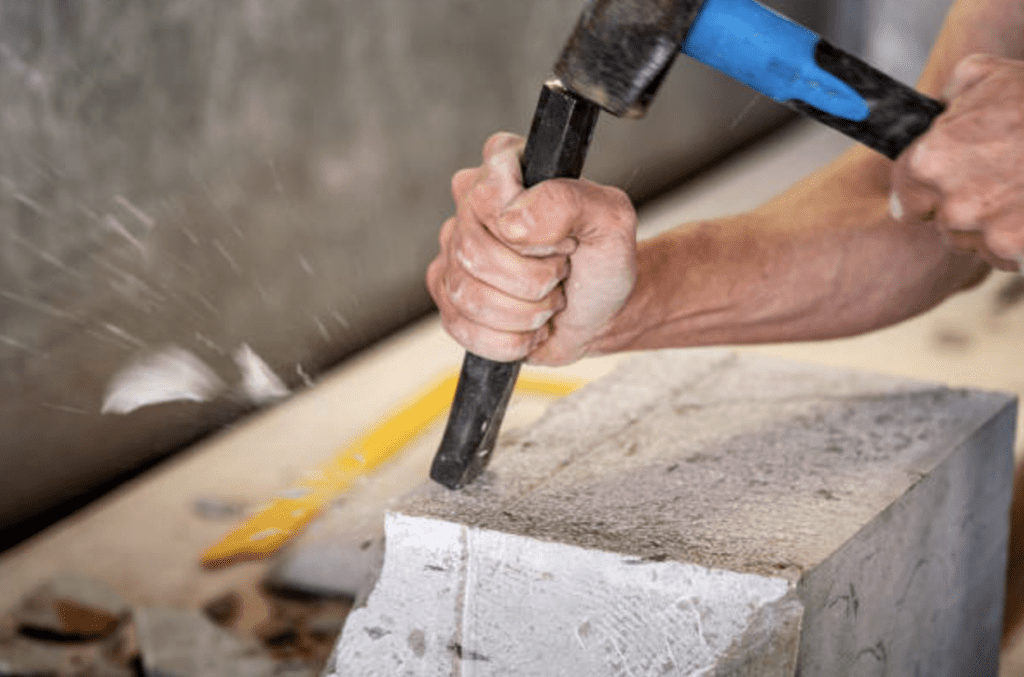
Natural stone bridges eras in a way few materials can, yet it responds to weather, pollutants, and traffic with a complex mix of endurance and vulnerability. This article walks property stewards through how trained specialists evaluate, clean, repair, and preserve stone so it looks right and lasts longer—without sacrificing authenticity. Drawing on the experience of Stone Center and peers in the field, you’ll see how careful planning prevents unnecessary loss while elevating performance. From diagnosing salt crystallization to refining resurfacing methods, the goal is to show what thoughtful intervention truly looks like. You’ll also learn when to engage comprehensive Stone Restoration Services so that both historic and modern properties continue to age gracefully.
Assessing damage from weather, erosion, and environmental factors
Stone weathers differently depending on mineralogy, porosity, and the environment it faces each day. Freeze–thaw cycles amplify microfractures; windborne grit abrades soft surfaces; and urban pollutants dissolve calcite-based stones, leaving a sugar-like friability. Coastal sites experience chloride-driven corrosion of embedded anchors that telegraphs as surface spalls, while shaded areas host lichens that trap moisture and acids. Effective assessments start by linking visible symptoms—such as scaling, crusts, or warping—to root causes, not just treating what’s on the surface. The priority is to map patterns across facades and paving zones so interventions address both failure and the forces driving it.
Diagnostic methods and evaluation criteria
Specialists combine visual surveys with non-invasive testing to pinpoint vulnerabilities. Moisture meters, infrared thermography, and contact sponges help quantify dampness and vapor transmission, revealing where moisture ingress is overwhelming a stone’s ability to dry. Salt mapping and ion chromatography decode salt efflorescence and subflorescence risks, clarifying whether sulfates, nitrates, or chlorides are stressing pore networks. Petrographic microscopy of small samples identifies mineral boundaries, binder dissolution, and microcracking that guide repair chemistry. The outcome is a condition index that ranks severity, exposure, and urgency, forming a practical roadmap for phased work.
The best assessments also capture baseline photos, drawings, and measurements to track change over time. Elevation-by-elevation notes differentiate localized defects—like dripping from a misaligned gutter—from systemic concerns such as rising damp or acidic runoff. Experts probe joints and flashings because enclosure failures often masquerade as stone problems, and correcting those prevents recurrence. Where safety or structural stability is a concern, temporary shoring or barriers are established while the investigation continues. This disciplined approach is the standard adopted by firms like Stone Center, ensuring repairs are proportional, compatible, and informed by evidence.
Cleaning and resurfacing techniques that preserve stone integrity
Cleaning stone is never about “making it look new”; it’s about safely removing soils, crusts, and stains that hold moisture or accelerate decay. Gentle methods come first: low-pressure rinses, pH-appropriate detergents, and soft natural bristle agitation. When contaminants are stubborn—oil, metallic staining, or biological films—a staged plan introduces poultices, biocides, or micro-abrasive media at carefully controlled pressures. The golden rule is to avoid eroding the cementing matrix or opening the pore structure, both of which can invite faster weathering later. This is where experienced teams delivering Stone Restoration Services distinguish themselves, because they tailor chemistry, dwell times, and mechanical action to each stone’s vulnerabilities.
Choosing the right method for each mineral type
Not all stones tolerate the same treatment. Marble and limestone, rich in calcite, can etch with acidic cleaners, so neutral or slightly alkaline detergents and carefully formulated poultices are preferred. Sandstone’s variable cementation means some beds tolerate micro-abrasion while others lose grains; test patches ensure the surface profile remains intact. Granites may need chelators to lift metallic staining, but dwell times are limited to protect adjacent materials and joint mortars. Water quality matters, too—high-mineral rinse water can deposit residues, while softened or deionized water limits streaking and salt cycles. In every case, small-scale trials verify results before any broad application.
Resurfacing should be the least invasive step that achieves the desired outcome. Light honing or micro-abrading can unify a patchwork of micro-scratches and minor etching, but over-honing flattens historic tool marks and changes reflectivity. Re-pointing with compatible mortars keeps water out of joints and reduces the temptation to “clean” what is actually mortar erosion presenting as shadow lines. Where biological growth is persistent, a two-step protocol—gentle removal followed by delayed biocidal treatment—reduces regrowth without harsh blasting. Protective measures, like preventing overspray on metals and wood and managing runoff, preserve adjacent materials and keep the scaffold zone compliant with environmental standards. Above all, the resurfacing plan is sequenced so cleaning informs repairs, and repairs inform any final finish refinement.
Repairing cracks, discoloration, and surface deterioration effectively
Successful repairs begin by classifying cracks: structural fractures, thermal or shrinkage cracks, bedding plane separations, or surface crazing. Structural issues demand coordination with engineers to address load paths and embedded anchor corrosion before any cosmetic fix is attempted. For non-structural cracks, a combination of micro-injection resins, gravity-fed consolidants, or stitched reinforcement may be considered, always balancing strength with compatibility and reversibility. Surface deterioration—sugaring, flaking, or granular loss—often signals salt cycling or acid attack that must be mitigated upstream. Teams who provide Stone Restoration Services make these distinctions explicit so that the repair lasts and doesn’t lock in a deeper problem.
Filler systems, color matching, and bonding
Selecting the right filler or binder is a chemistry exercise as much as a craft decision. Lime-based grouts are vapor-permeable and kind to carbonate stones, while low-modulus epoxies or silicate consolidants may suit dense granites or siliciclastic stones when used judiciously. Color matching goes beyond the repair itself; mica glints, shell fragments, or veining must be mimicked with aggregates, pigments, or veneers to maintain visual continuity. UV-stable resins avoid ambering, and finishing passes—honing, brushing, or light polishing—blend sheen so repairs don’t telegraph. Where pieces are missing, dutchman repairs and pinning with non-corrosive rods re-establish continuity without overbuilding.
Discoloration rarely fades on its own and tends to point to specific contaminants. Iron oxidation from embedded elements produces orange-brown halos; targeted chelators and poultices lift these stains without over-wetting. Oils and greases benefit from solvent-rich poultices followed by surfactant cleansing to prevent rebound staining. Biological discoloration requires timed biocidal applications and careful rinse regimes so spores aren’t simply spread. When a refined finish is required, a restrained resurfacing step evens the field without erasing history—an approach consistently practiced by specialists at Stone Center to keep patina and precision in balance.
How restoration professionals revive historic architectural details
Historic architecture rewards restrained intervention. Carved capitals, tracery, and cornices often carry the narrative of a building’s craft, so the priority is to stabilize and retain, not replace. Professionals document tool marks, chisel patterns, and profiles before any removal, using raked lighting to capture surface relief. Minimal cleaning reveals the true condition; overzealous scrubbing can dissolve edges or flatten modeling that took artisans years to perfect. Once the baseline is known, targeted stabilization—consolidants, micro-pinning, and compatible patching—prepares the surface for anything more ambitious.
Sculptural replication and compatible replacements
When loss is beyond safe retention, replication must be faithful and well-justified. Craftspeople deploy photogrammetry and 3D scanning to record geometry, then produce maquettes or CNC rough-outs finished by hand to match tooling. Replacement stone is sourced to match mineralogy, color, veining, and weathering behavior; a perfect color match on day one matters less than a match that will weather with its neighbors. Indent repairs (small inserts) preserve maximum original fabric, while full dutchman repairs are reserved for larger voids or unsafe fragments. Mortars remain vapor-permeable and sacrificial, designed to weather before the stone does, protecting the substrate without sealing it.
Finishing historic details is an art of restraint. After installation, edges are refined to align with adjacent work, and finishes are tuned—broached, tooled, honed—until highlights and shadows match the original language. Where surrounding stone shows gentle wear, new inserts may be lightly broken-in so they don’t stand out as sharp replacements. Subtle patination techniques can calm visual contrast, but heavy artificial aging is avoided to keep authenticity intact. Throughout, documentation continues so future caretakers can see what changed and why, upholding the ethic of transparency while delivering museum-quality results.
Sustainable preservation methods for long-term protection
True sustainability in stonework is about extending service life with the least material and energy input. That starts with enclosure fixes—gutters, flashings, and fall lines—so the stone isn’t forced to fight a losing battle against concentrated water. Protective treatments must be breathable; high-quality, vapor-permeable water repellents reduce absorption without trapping moisture, and they’re applied only after test panels confirm no darkening or sheen. Where consolidation is necessary, products are selected for compatibility with the stone’s pore structure and used in the smallest effective dosage. For owners managing large campuses, scheduling Stone Restoration Services proactively reduces emergency interventions and stretches budgets across predictable, low-impact cycles.
Preventive maintenance and monitoring
A preventive plan turns occasional crises into routine stewardship. Seasonal inspections check for open joints, displaced stones, and clogged weeps before freeze–thaw seasons amplify the consequences. Moisture monitoring points—non-invasive readings in consistent locations—build a dataset that signals when conditions are trending risky. Soft-wash protocols and periodic biocidal treatments keep biological growth in check without harsh blasting, while landscape adjustments move sprinklers and vegetation away from vulnerable walls. Finally, training maintenance staff to recognize early warning signs creates more eyes on the problem without more contractors on site.
Long-term protection also means designing repairs to be reversible when better solutions emerge. Choose anchors, shims, and bedding that won’t corrode; specify mortars that can be removed without destroying adjacent stone; and log every batch and lot number for traceability. When protective treatments are used, record application rates, weather, and results from test patches so reapplications are consistent. Life-cycle costing that includes inspection, cleaning, and minor repair every few years often outperforms “defer and replace” strategies by a wide margin. For portfolio owners seeking a reliable partner, Stone Center can help standardize specifications and maintenance rhythms across properties, ensuring consistent quality and predictable performance for decades.






Comments