
 By
By 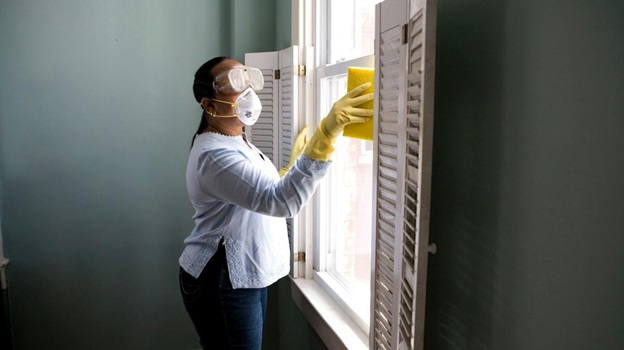
Mold is a persistent and potentially hazardous problem that can infiltrate homes and businesses. It often lurks in hidden corners or spreads rapidly in damp environments. When faced with a mold issue, many people are tempted to tackle it themselves, drawn by the promise of cost savings and the availability of DIY solutions touted online or in stores. However, while DIY mold removal methods may seem appealing, they often fall short of addressing the problem comprehensively and safely. Expert mold removal and remediation, on the other hand, offers a thorough, effective, and long-term solution. These mold resources and the guide below will cover why DIY mold removal methods are usually less effective than professional remediation, diving into the science of mold, the limitations of DIY approaches, and the benefits of expert intervention.
The Nature of Mold: Why It’s a Tough Opponent
Mold is a type of fungus that thrives in moist, warm environments, feeding on organic materials like wood, drywall, and fabric. It reproduces by releasing microscopic spores into the air, which can spread quickly and settle in new areas, making containment challenging. Mold can cause structural damage to office buildings and pose health risks, including respiratory issues, allergies, and, in some cases, severe reactions in immunocompromised individuals. According to the CDC, exposure to mold can lead to symptoms like nasal stuffiness, throat irritation, coughing, and skin irritation, with more severe effects in sensitive populations.
The complexity of mold growth is a key reason why DIY methods often fail. Mold doesn’t just grow on surfaces; it can penetrate porous materials, establish deep root-like structures (hyphae), and spread through HVAC systems or hidden spaces like wall cavities. Effective mold removal requires not only eliminating visible growth but also addressing hidden colonies, identifying the source of moisture, and preventing recurrence—tasks that demand expertise and specialized equipment.
The Appeal and Pitfalls of DIY Mold Removal
DIY mold removal methods are widely promoted, with countless online tutorials, blogs, and products claiming to offer quick fixes. Common DIY approaches include using bleach, vinegar, hydrogen peroxide, or commercial mold sprays to clean visible mold, along with tools like scrub brushes or shop vacuums. While these methods may seem effective at first glance, they have significant limitations that can exacerbate the problem or leave it unresolved.
1. Incomplete Removal of Mold
DIY methods often focus on surface-level mold, but they rarely address the root of the problem. For example, spraying bleach on moldy drywall may kill some surface spores, but bleach doesn’t penetrate deeply enough to eliminate hyphae embedded in porous materials. According to a study by the EPA, bleach is only effective on non-porous surfaces like tiles or glass, and even then, it doesn’t address airborne spores or hidden growth. Without removing all mold, including invisible colonies, the problem will likely return.
Additionally, DIY mold removal efforts often fail to address mold in hard-to-reach areas, such as behind walls, under flooring, or in HVAC systems. However, professionals use advanced tools like borescopes and thermal imaging cameras to detect hidden mold, ensuring no area is overlooked.
2. Inadequate Containment
Mold spores are microscopic and easily disturbed, spreading through the air during cleaning attempts. DIYers may inadvertently worsen the problem by stirring up spores without proper containment measures. For instance, scrubbing mold or using a standard vacuum can release spores into the air, contaminating other areas of the home. Professionals, however, use containment strategies like negative air pressure systems, HEPA-filtered air scrubbers, and sealed barriers to prevent cross-contamination, ensuring spores don’t spread during remediation.
3. Failure to Address the Root Cause
Mold growth is almost always tied to a moisture problem, such as a leak, poor ventilation, or high humidity. DIY methods typically focus on cleaning visible mold without addressing the underlying cause. For example, wiping down a moldy bathroom wall won’t help if a hidden pipe leak continues to feed the problem. Professional remediators conduct thorough inspections to identify and fix moisture sources, such as repairing plumbing issues, improving ventilation, or installing dehumidifiers. Without resolving the moisture problem, mold will inevitably return, rendering DIY efforts temporary at best.
4. Health and Safety Risks
Mold removal can expose individuals to health risks, particularly if proper protective equipment isn’t used. DIYers may underestimate the need for respirators, gloves, and protective clothing, increasing their exposure to harmful spores or mycotoxins (toxic compounds produced by some molds). Professionals are trained in safety protocols, using personal protective equipment (PPE) and following guidelines set by organizations like the Institute of Inspection, Cleaning and Restoration Certification (IICRC). They also ensure that occupants are protected during the remediation process, minimizing health risks.
5. Lack of Proper Equipment and Expertise
Professional mold remediation involves specialized tools and techniques that go beyond what’s available to the average homeowner. For example, professionals use HEPA vacuums, antimicrobial treatments, and industrial-grade dehumidifiers to remove mold and prevent regrowth. They also follow standardized protocols, such as those outlined by the IICRC or EPA, to ensure thorough and safe remediation. DIYers, lacking access to these tools and training, often rely on makeshift solutions that are less effective and may cause more harm than good.
The Professional Advantage: Why Experts Get It Right
Professional mold remediation offers a comprehensive approach that addresses the limitations of DIY methods. Here’s why hiring experts is the smarter choice:
1. Thorough Assessment and Diagnosis
Professionals begin with a detailed inspection, using tools like moisture meters, hygrometers, and infrared cameras to identify the extent of mold growth and the source of moisture. This ensures that no area is overlooked, even in hidden spaces. They may also take air or surface samples to test for mold types, as some species (like *Stachybotrys chartarum*, or black mold) require specific handling due to their toxicity.
2. Effective Containment and Removal
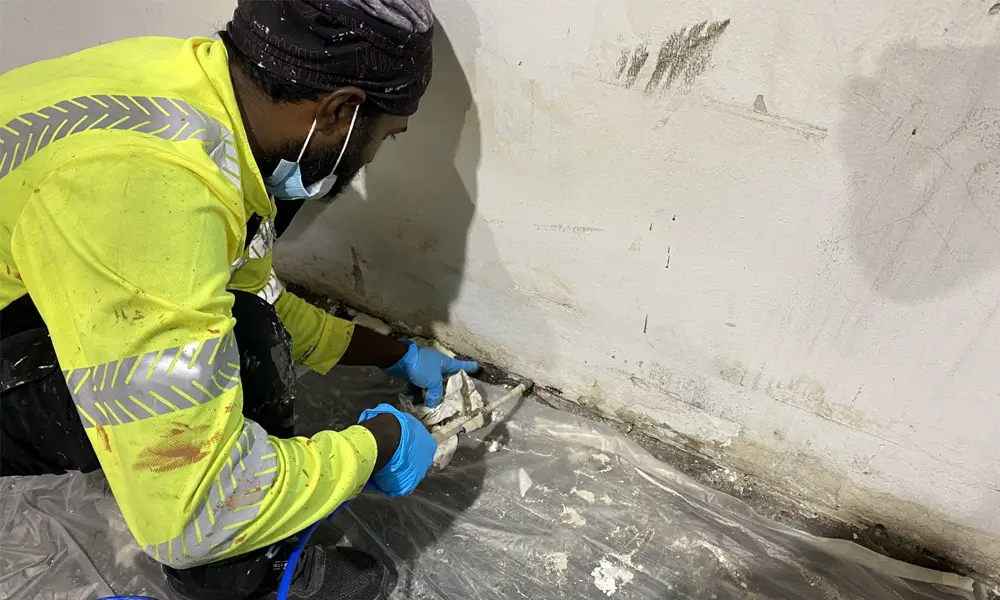
Professionals use advanced containment techniques to isolate affected areas, preventing spores from spreading. They employ HEPA-filtered equipment to capture airborne spores and safely remove contaminated materials. Non-porous surfaces are cleaned with specialized solutions, while porous materials like drywall or carpet are often removed and replaced to eliminate embedded mold.
3. Moisture Control and Prevention
A key component of professional remediation is addressing the moisture source. Experts identify and fix issues like leaks, poor drainage, or inadequate ventilation, ensuring that the environment is no longer conducive to mold growth. They may also recommend long-term solutions, such as installing vapor barriers or upgrading HVAC systems, to prevent recurrence.
4. Health and Safety Compliance
Professional remediators are trained to follow strict safety guidelines, protecting both themselves and the occupants. They use PPE, maintain proper ventilation, and dispose of contaminated materials according to local regulations. This minimizes health risks and ensures compliance with environmental standards.
5. Long-Term Results and Peace of Mind
Unlike DIY methods, which often provide temporary relief, professional remediation offers lasting results by addressing both the mold and its underlying causes. Many companies also provide warranties or follow-up inspections to ensure the problem doesn’t return, giving homeowners confidence in the solution.
When DIY Might Be Appropriate (and When It’s Not)
In some cases, DIY methods may be suitable for very small, localized mold growth (less than 10 square feet) on non-porous surfaces, provided the individual takes proper precautions, such as wearing PPE and ensuring good ventilation. For example, cleaning a small patch of mold on a bathroom tile with a vinegar solution might be manageable. However, DIY is not recommended for:
- Large-scale infestations (over 10 square feet).
- Mold in porous materials like drywall, wood, or carpet.
- Hidden mold in walls, ceilings, or HVAC systems.
- Homes with occupants who have respiratory issues, allergies, or compromised immune systems.
- Situations involving toxic mold exposure.
The EPA recommends hiring professionals for any mold problem exceeding 10 square feet or involving hidden growth, as these scenarios require specialized expertise and equipment.
The Cost Factor: Is Professional Remediation Worth It?
One of the main reasons people opt for DIY mold removal is to save money. While professional mold remediation can be costly—ranging from a few hundred to several thousand dollars depending on the extent of the problem—it’s an investment in long-term safety and property value. DIY methods may seem cheaper upfront, but they can lead to recurring mold issues, structural damage, or health problems, which can be far more expensive to address later. For example, untreated mold can weaken building materials, requiring costly repairs, or lead to health issues that result in medical bills.
Moreover, professional remediation may be covered by homeowners’ insurance in cases where mold results from a covered event, such as a burst pipe. Consulting with an insurance provider can help offset costs, making professional services more accessible.
The Bottom Line: Trust the Experts for Effective Mold Remediation
While the allure of DIY mold removal is understandable, the risks and limitations far outweigh the potential savings. Mold is a complex problem that requires thorough assessment, proper containment, and long-term prevention strategies—tasks that are best left to professionals with the right tools, training, and who provide expert mold removal services. By addressing both visible and hidden mold, fixing moisture issues, and ensuring safety, professional remediation provides a lasting solution that protects your health and your home. If you suspect a mold problem, resist the urge to tackle it yourself and consult a certified mold remediation specialist. Your peace of mind—and your property—will thank you for a very, very long time.






Comments